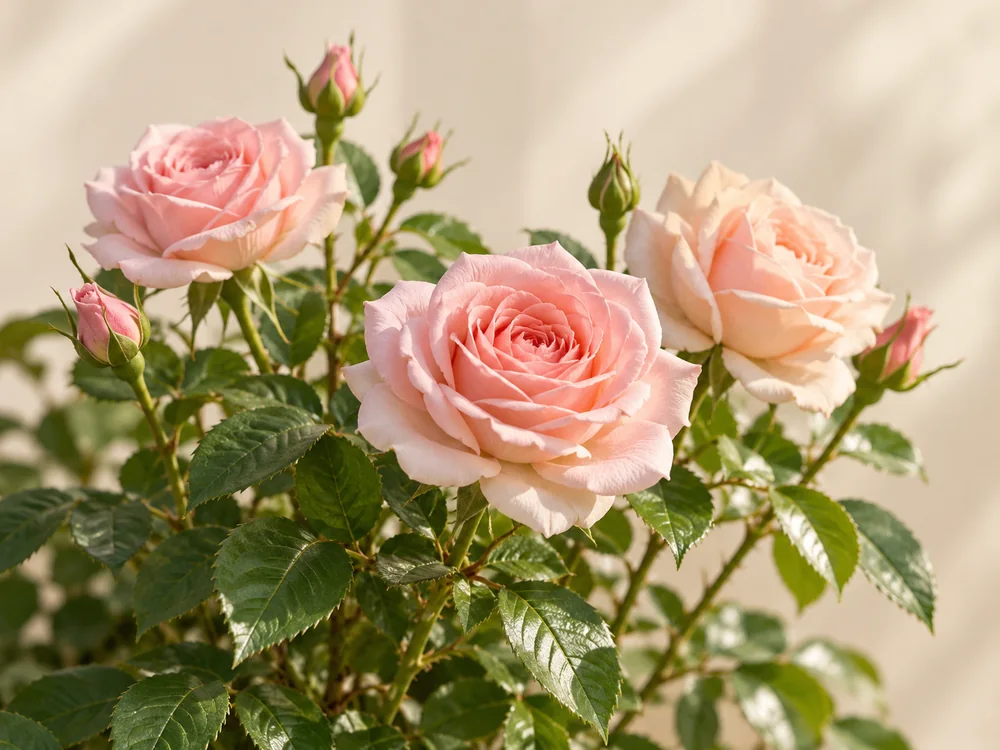
Bouquets & colors
Roses, sunflowers, gerberas and snapdragons
Four good tips when you want color on the table or in the bed. Choose unsprayed flowers and keep decorations and vase water under supervision.
Flowers, houseplants, gardens and grass can all be part of life with a Sacred Birman. The key is to choose the species carefully – and know the difference between non-toxic, toxic and acutely dangerous plants.
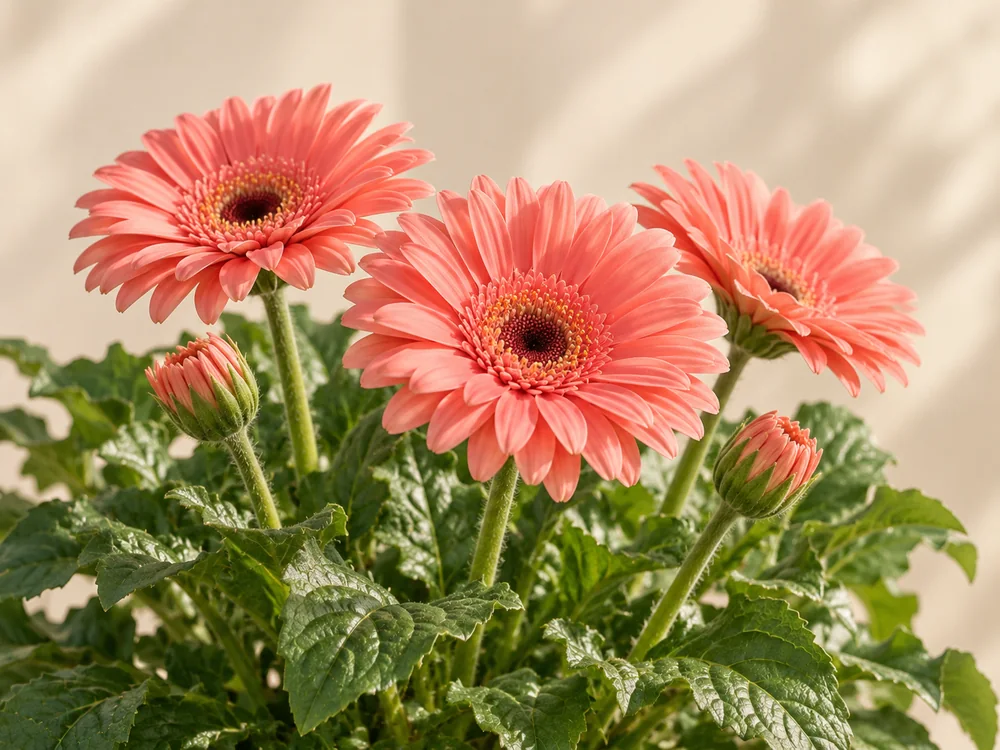
A plant that is registered as non-toxic is not intended to be eaten in large quantities. Sprays, fertilizers, flower preserves, thorns, sharp grass blades, and mold in the soil can still cause problems.
Four good tips when you want color on the table or in the bed. Choose unsprayed flowers and keep decorations and vase water under supervision.
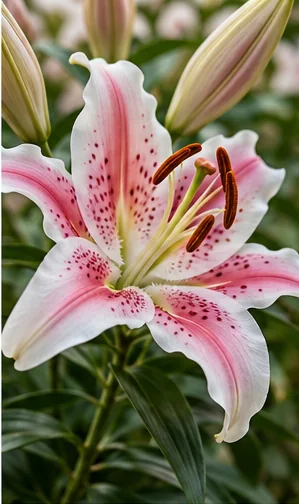
It's not enough to place them high up. Pollen can end up on the fur or under the paws, and the cat can drink from the vase.
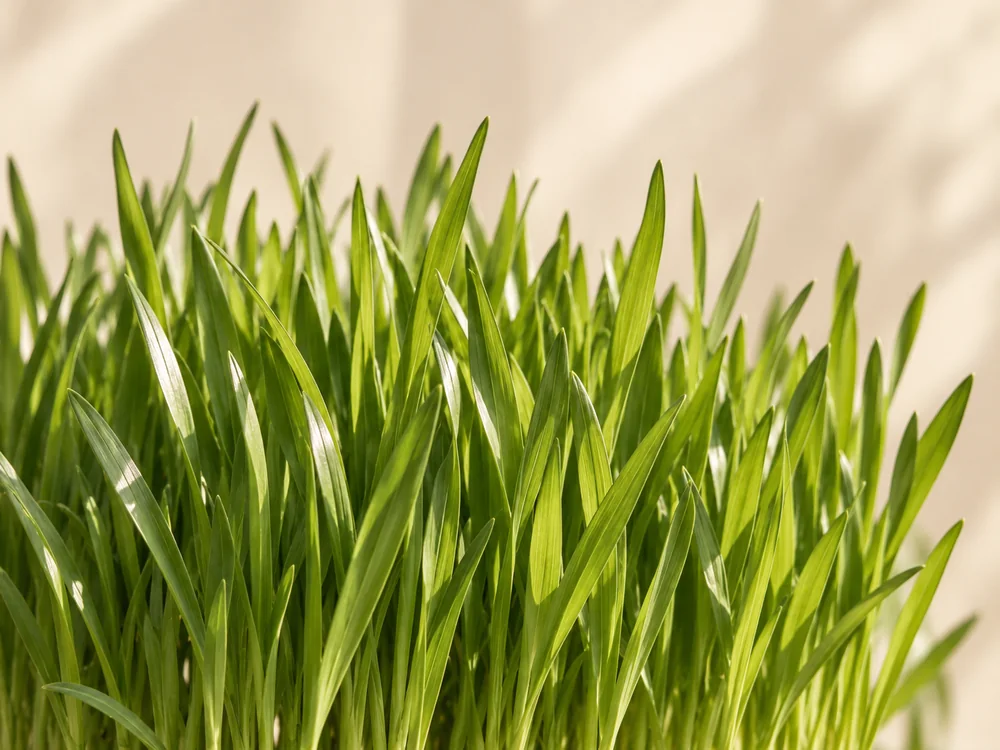
Young sprouts of wheat, oats, barley or rye are typical choices. Use untreated seeds and keep the tray fresh.
Søg på Danish name or botanical name, and select type or risk level. The overview includes 70 selected examples and is not a complete list of all plantsUnknown species should never be automatically considered safe.
Showing 70 plants
The images are AI-generated, photorealistic illustrations and should not be used solely for plant identification. Always check the botanical name of the plant. If poisoning is suspected: contact a veterinarian immediately.
Registered as non-toxic FlowersNon-toxic as a plant; remove thorns and avoid sprayed bouquets.
 Registered as non-toxic Flowers
Good in the garden or bouquet if it has not been treated with harmful agents.
Registered as non-toxic FlowersA good alternative to lilies in bouquets.
 Registered as non-toxic Flowers
Cat-friendly color in pots, beds and bouquets.
 Registered as non-toxic Flowers
A colorful summer flower that is registered as non-toxic.
 Registered as non-toxic Flowers
Fragrant cut flowers; avoid additives in vase water.
 Registered as non-toxic Flowers
Applies to common marigold – not automatically all plants called marigold.
 Registered as non-toxic Flowers
Suitable for balcony boxes when cats can move around safely.
 Registered as non-toxic Garden
Cat-friendly flowering plant for boxes and beds.
 Registered as non-toxic Garden
One of Cats Protection's examples of cat-friendly outdoor plants.
 Registered as non-toxic Garden
Cat-friendly choice for a flowering garden.
 Registered as non-toxic Flowers
Only this species is registered as non-toxic by the ASPCA; other bridal veil species need to be identified. Larger ingestions may cause stomach upset.
 Registered as non-toxic · Houseplants
Good choice as a flowering houseplant.
 Registered as non-toxic · Houseplants
Non-toxic; many cats love to chew on the leaves.
 Registered as non-toxic · Houseplants
Cat-friendly foliage plants with patterns.
 Registered as non-toxic · Houseplants
Cat-friendly foliage plant; always check the botanical name.
 Registered as non-toxic · Houseplants
Example of non-toxic Peperomia. Check species when purchasing.
 Registered as non-toxic · Houseplants
A real fern, registered as non-toxic – not all so-called ferns are safe.
 Registered as non-toxic · Houseplants
Non-toxic; do not confuse with sago palm.
 Registered as non-toxic · Houseplants
Non-toxic palm; do not confuse with sago palm.
 Registered as non-toxic · Houseplants
A small flowering plant for the windowsill.
 Registered as non-toxic · Houseplants
Non-toxic. Larger amounts of plant material may still cause stomach upset.
 Registered as non-toxic · Houseplants
Cat-friendly succulent alternative to aloe vera.
 Registered as non-toxic · Houseplants
Cat-friendly climbing plant; be careful with hanging ropes and cords.
 Registered as non-toxic · Herbs
Non-toxic as a plant; concentrated essential oils are something else.
 Registered as non-toxic · Herbs
Non-toxic herb; no reason to use it as cat food.
 Registered as non-toxic · Herbs
Mentioned as a cat-friendly herb by Cats Protection.
 Registered as non-toxic · Herbs
Cat-friendly enrichment for some cats; provide access in moderate amounts.
Registered as non-toxic GrassYoung sprouts grown as catnip from untreated seeds.
 Registered as non-toxic Grass
Young sprouts; a typical content in catnip.
 Registered as non-toxic Grass
Young sprouts are catnip; avoid mature, sharp ears and seed pods.
 Registered as non-toxic Grass
Young sprouts can be included in cat grass. Not the same as unknown lawn grass species.
Acutely dangerous FlowersACUTE: leaves, flowers, pollen and vase water can cause serious kidney damage. Even small exposures.
 Acutely dangerous Garden
ACUTE: same risk of life-threatening kidney damage in cats as Lilium.
 Acutely dangerous Garden
ACUTE: can affect the heart. Not the same kidney poison as true lilies.
 Acutely dangerous · Houseplants
ACUTE: can cause serious liver damage; seeds particularly dangerous.
 Acutely dangerous Garden
ACUTE: can cause dangerous heart rhythm disturbances.
 Acutely dangerous Garden
ACUTE: can cause severe multi-organ toxicity. Not the same as common spring crocus.
 Acutely dangerous Garden
ACUTE: can cause serious, rapidly occurring poisoning, especially cardiac effects.
 Acutely dangerous Garden
ACUTE: can affect the heart, circulatory system and nervous system.
 Acutely dangerous Garden
ACUTE: contains substances that affect the heart.
 Should be avoided Flowers
Toxic, especially the bulb; keep away from home or cat area.
 Should be avoided Flowers
Toxic, especially the onion; can cause serious stomach upset.
 Should be avoided Flowers
Toxic, especially the onion; can cause salivation, vomiting and irritation.
 Should be avoided Flowers
Poisonous bulbous plant. Do not confuse with the kidney-damaging Lilium species.
 Should be avoided · Houseplants
Causes burning and irritation in the mouth and throat in particular; not the same kidney poison as Lilium.
 Should be avoided · Houseplants
Calcium oxalate crystals can cause severe irritation in the mouth.
 Should be avoided · Houseplants
Irritates mucous membranes and may cause salivation/vomiting.
 Should be avoided · Houseplants
Irritating to mouth, tongue and throat.
 Should be avoided · Houseplants
May cause painful irritation and swelling in the mouth.
 Should be avoided · Houseplants
Contains irritating calcium oxalate crystals.
 Should be avoided · Houseplants
May cause vomiting and diarrhea if ingested.
 Should be avoided · Houseplants
Toxic to cats; some are sold as bamboo or dragon bloodwood.
 Should be avoided · Houseplants
May cause gastrointestinal symptoms.
 Should be avoided · Houseplants
Irritating plant sap; should be avoided in cat homes.
 Should be avoided · Houseplants
Toxic; the tuber can be particularly dangerous.
 Should be avoided · Houseplants
Toxic; can cause gastrointestinal symptoms and, if ingested in large quantities, affect the heart.
 Should be avoided · Garden
Toxic and can cause gastrointestinal symptoms.
 Should be avoided · Garden
Toxic; leaves and berries can cause irritation and gastrointestinal symptoms.
 Should be avoided · Houseplants
May cause skin and gastrointestinal irritation.
 Should be avoided Flowers
Toxic to cats – should not be confused with some other plants called geranium.
 Should be avoided Flowers
May cause drooling, vomiting or diarrhea.
 Should be avoided · Herbs
Onions, garlic, and chives are toxic and can damage red blood cells.
 Should be avoided · Herbs
Listed as toxic by the ASPCA. Essential oils require extra caution.
 Should be avoided · Garden
Can cause stomach upset; do not confuse with highly toxic autumn primrose.
 Should be avoided · Garden
Toxic; especially berries and plant parts should be kept away.
 Should be avoided · Garden
Berries and leaves can cause gastrointestinal symptoms.
 Should be avoided · Garden
Poisonous Christmas and winter flower. Not a true rose.
 Should be avoided · Garden
Poisonous shrub/tree; avoid in cat-proof gardens.
 Should be avoided · Houseplants
Not a true fern; may cause irritation and stomach upset.
No plants match the search. Try a different name or select "All".
The most obvious choice is young sprouts grown indoors or in a cat-proof garden:
Sow in a clean tray with well-drained soil, use untreated seeds, and remove the grass if there is any sign of mold or rot. Catnip is an option for activation – not a necessary supplement to a complete food.
Lilium and Hemerocallis: serious risk of kidney failure. Lily of the valley: cardiotoxic. Peace lily: mucous membrane irritant. None of them are among the safe choices.
Chamaedorea: non-toxic palm tree. Cycas: extremely poisonous "sago palm". Dracaena sanderiana: sold as "lucky bamboo" and is poisonous. Nephrolepis: non-toxic fern; Asparagus fern: should be avoided.
Always check the scientific name on the plant label. Trade names are used differently, and a common name can cover both safe and poisonous species.
Possible danger signals: drooling, vomiting, diarrhea, pain, lethargy, lack of appetite, difficulty breathing, tremors or seizures. Absence of symptoms does not rule out poisoning.
This guide does not replace veterinary assessment, and the risk level is a practical classification – not a guarantee of the degree of poisoning in a specific case.
Last updated October 20, 2026 · Birmakredsen
The list is compiled based on professional plant reference works and veterinary organizations. If in doubt about a specific species: look it up by botanical name in an updated plant encyclopedia, or ask your veterinarian.
The position of the Birmakredsen: A cat-proof garden, balcony or aviary can give your cat plenty of experiences without the risks of free-range play. Also read about a safe home and outdoor life.