The Birman coat has a silky texture and relatively little undercoat. In many cats this means fewer tangles than in denser long-haired breeds – but individual differences can be considerable.
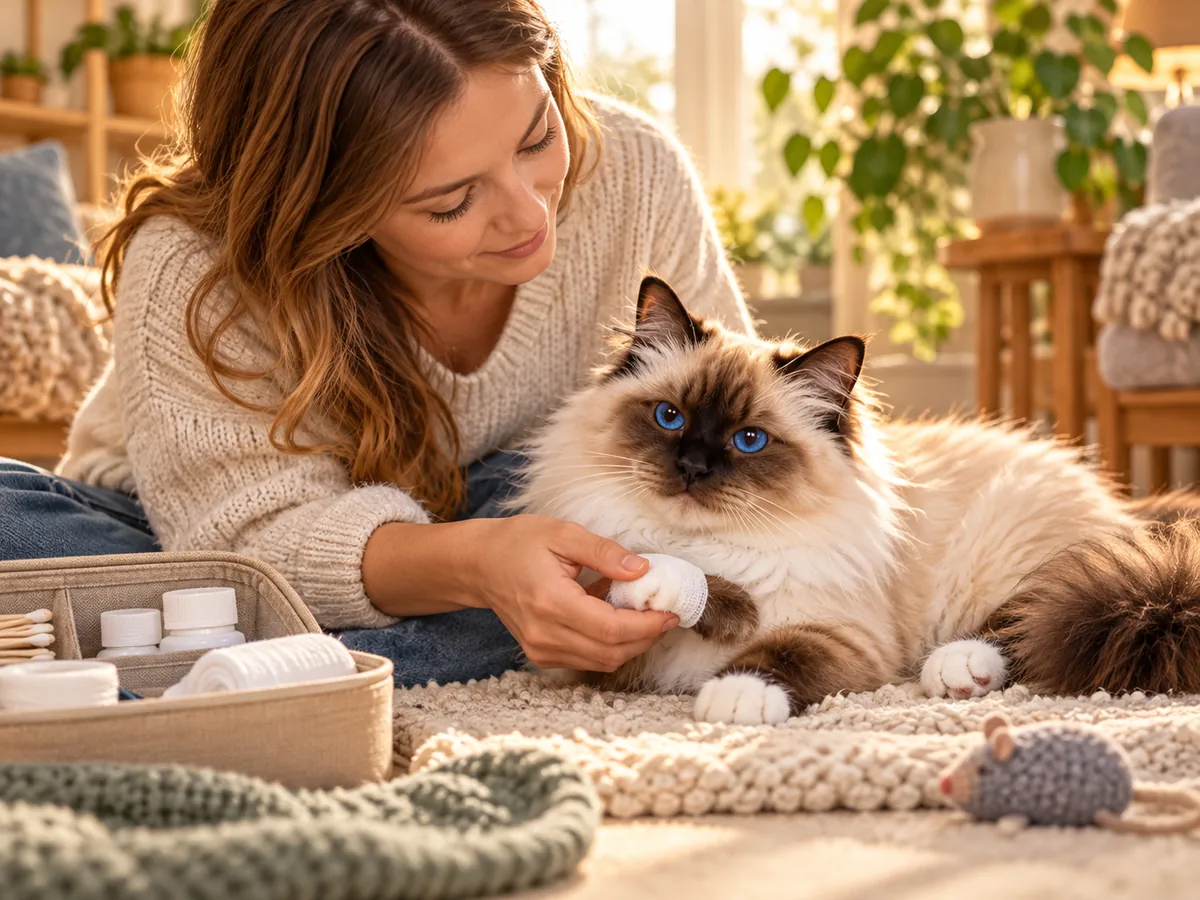
A calm, regular routine
Go through the coat at least weekly, and more often during shedding periods. A wide-toothed metal comb is often a good basic tool. Pay particular attention behind the ears, in the armpits, around the ruff and around the hind legs.
Work from tip to bottom without tearing the skin.
Loosen small filters early before they become clogged.
Check regularly and trim as needed.
Use the coat care to detect wounds, dandruff, parasites or ear problems.
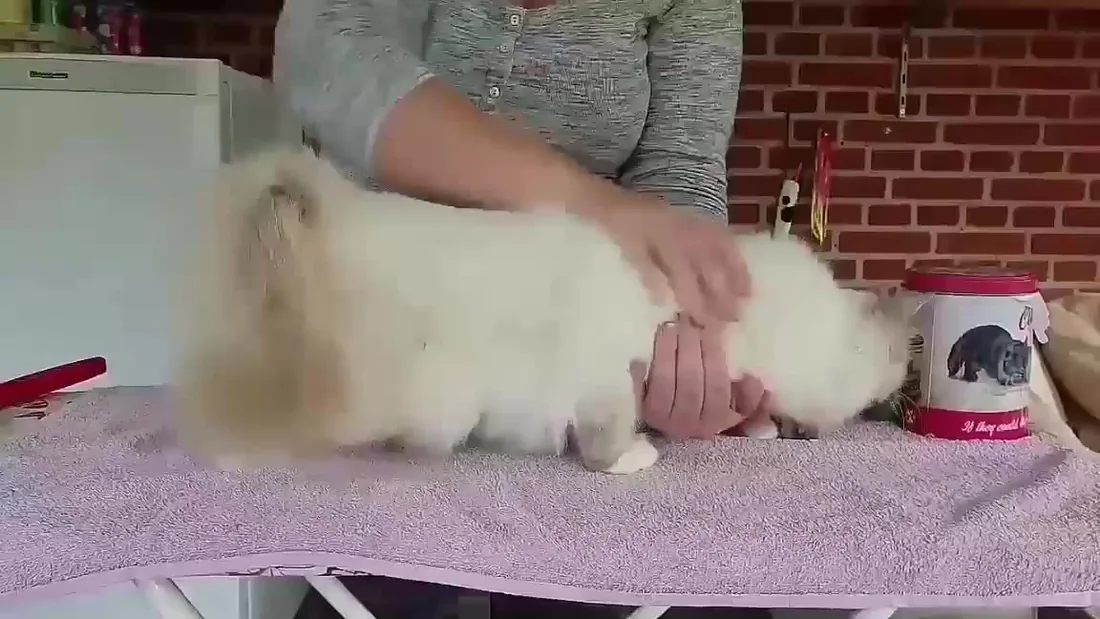
See grooming in practice
Watch the Birman grooming video directly here on the page.
Teach the kitten to accept handling
Short, positive sessions from an early age make it much easier to check teeth, ears and paws later. Grooming should not become a struggle; stop while the cat is still comfortable and reward calm behaviour.
When should a vet see the cat?
A sudden change in coat quality, very greasy coat, dandruff, itching, bald areas or a cat that no longer grooms normally can indicate an underlying problem. It should be assessed in the context of the cat’s overall health.
Showing the cat? See show grooming →