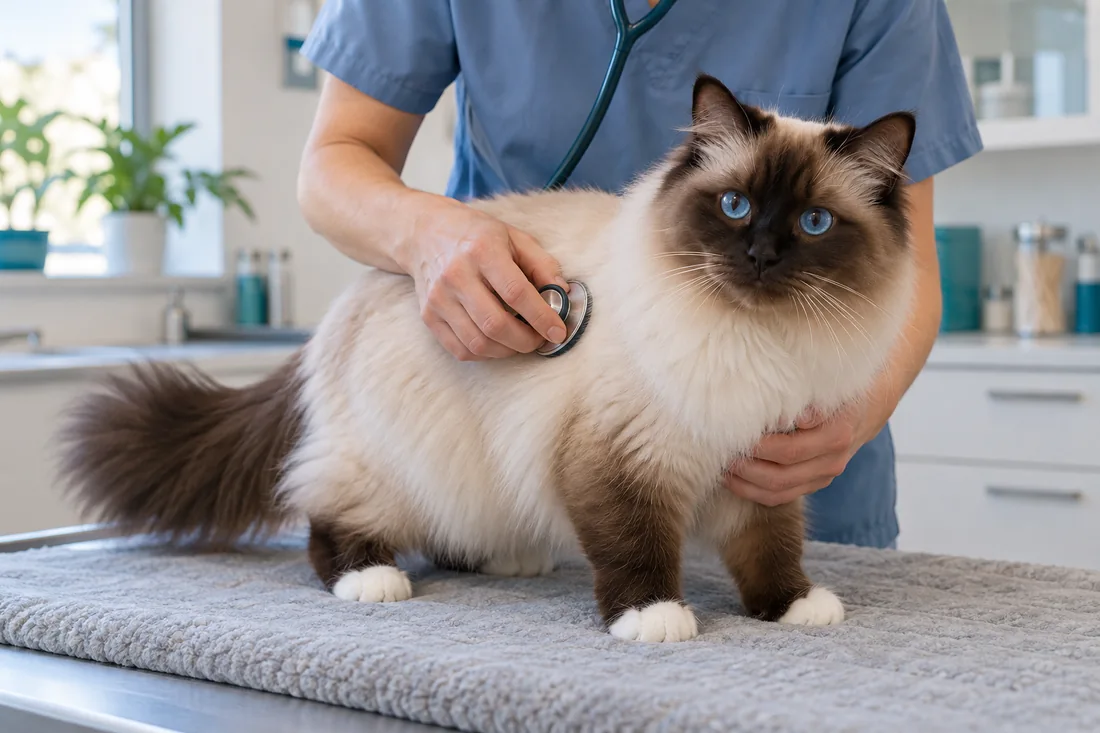
FIP (feline infectious peritonitis) develops in a small proportion of cats infected with feline coronavirus (FCoV). The disease can present in many different ways and often requires several findings to be assessed together.
FCoV is not the same as FIP
Feline coronavirus is common in cat populations, especially where many cats live together. Most FCoV-infected cats never develop FIP. FIP arises in connection with changes in the virus and the cat’s immune response.
Possible signs
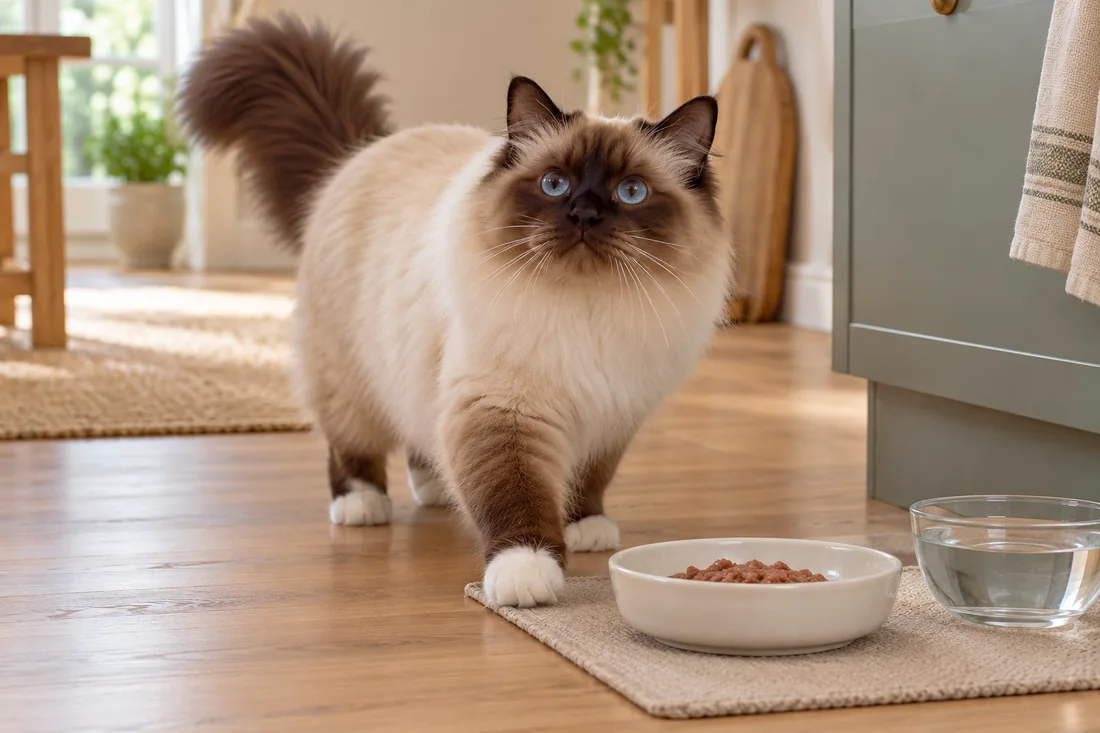
Persistent fever, reduced appetite, weight loss, fluid in the abdomen or chest, eye changes and neurological signs may all be part of the disease picture. None of these signs alone is enough to make the diagnosis.
Diagnosis is based on the whole picture

Blood tests, diagnostic imaging and samples from fluid or affected tissue may be needed. Modern diagnosis combines clinical findings with targeted laboratory tests rather than relying on a single “FIP test”.
Prompt help matters
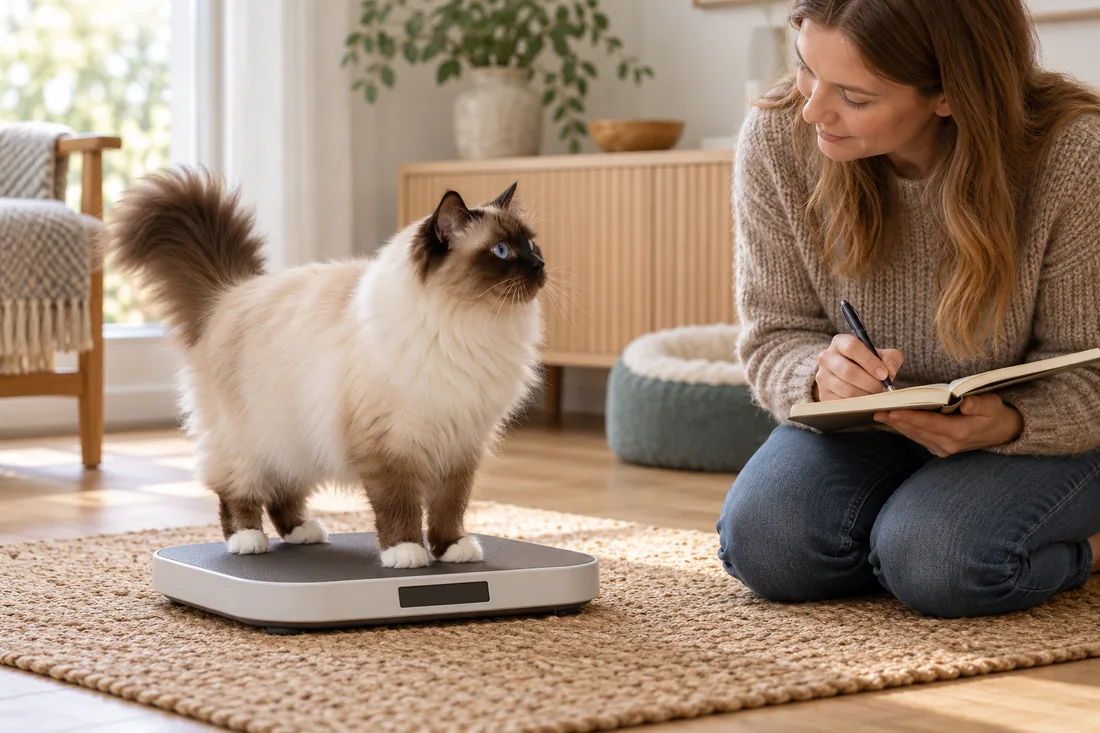
If FIP is genuinely suspected, diagnostic work-up and treatment planning should not be delayed unnecessarily. Cats can be very ill, while the response to effective antiviral therapy is often rapid.