
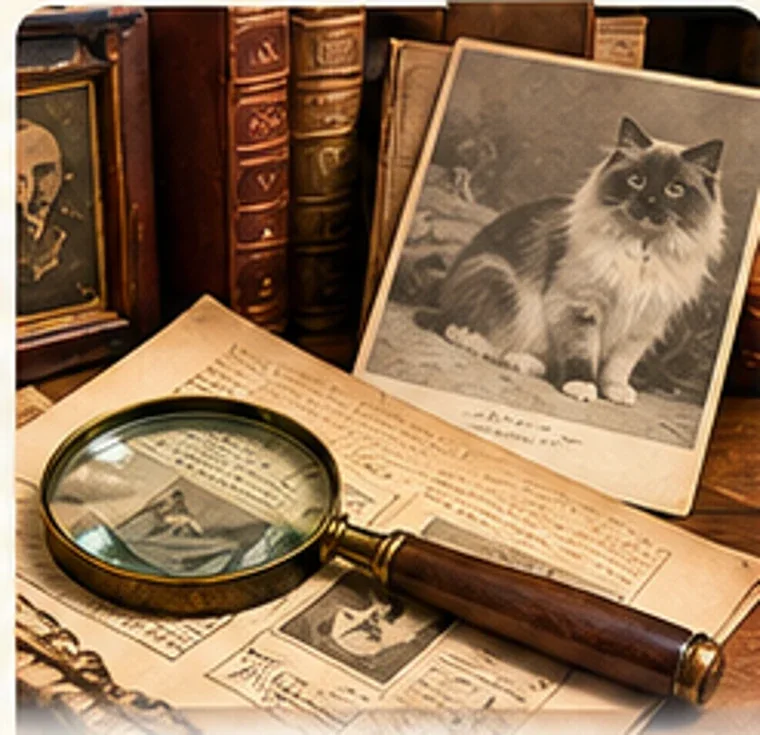

The pedigree is both the cat’s registered family tree and a working tool for responsible breeding. But it must be read correctly: it documents ancestry and identity, not that the cat can never become ill.
What does a pedigree document?

In FIFe, the pedigree is an extract from the pedigree book for the individual cat and its ancestry. It makes registered ancestry traceable across generations and countries.
What the pedigree does not tell you

A pedigree is the foundation for documented breed background, but it is not a quality seal for everything else. It does not guarantee health, temperament, fertility, show results or that the cat is automatically suitable for breeding.
Health is assessed through the cat, its family, veterinary data and relevant examinations – not through the pedigree alone.
The pedigree can help with family history, but it cannot promise a particular individual or personality.
A kitten may develop differently from expected, and judges’ results can never be guaranteed.
Having a pedigree is a prerequisite for registered pedigree breeding – not in itself a reason that the cat should be bred from.
Why is it so important?
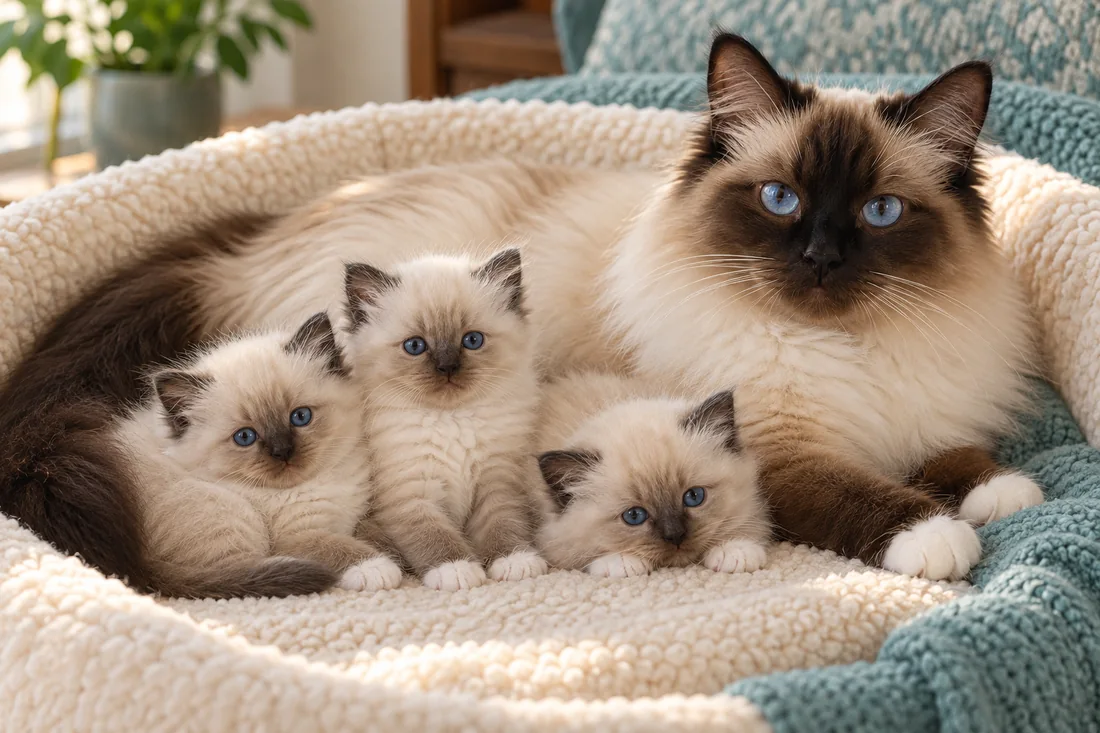
Because responsible breeding requires knowledge. The pedigree makes it possible to examine relatedness, family history, genetic lines, previous matings and the cat’s overall background. Without documented ancestry, knowledge is replaced by assumptions.
“Pedigree cat without a pedigree” – what is missing?

A cat may look very convincingly like a Birman, but appearance alone does not document ancestry. In the Felis Danica system, a pedigree cat is registered in the pedigree book and has a pedigree. Without registered documentation, you cannot verify relatedness, registered lines or whether the cat actually comes from the breed population it is sold as.
Nor is the pedigree an “extra piece of paper” that can simply be omitted to make the cat cheaper. It arises through registration of the litter and the parents’ documented background.
Pedigree and health data should be read together
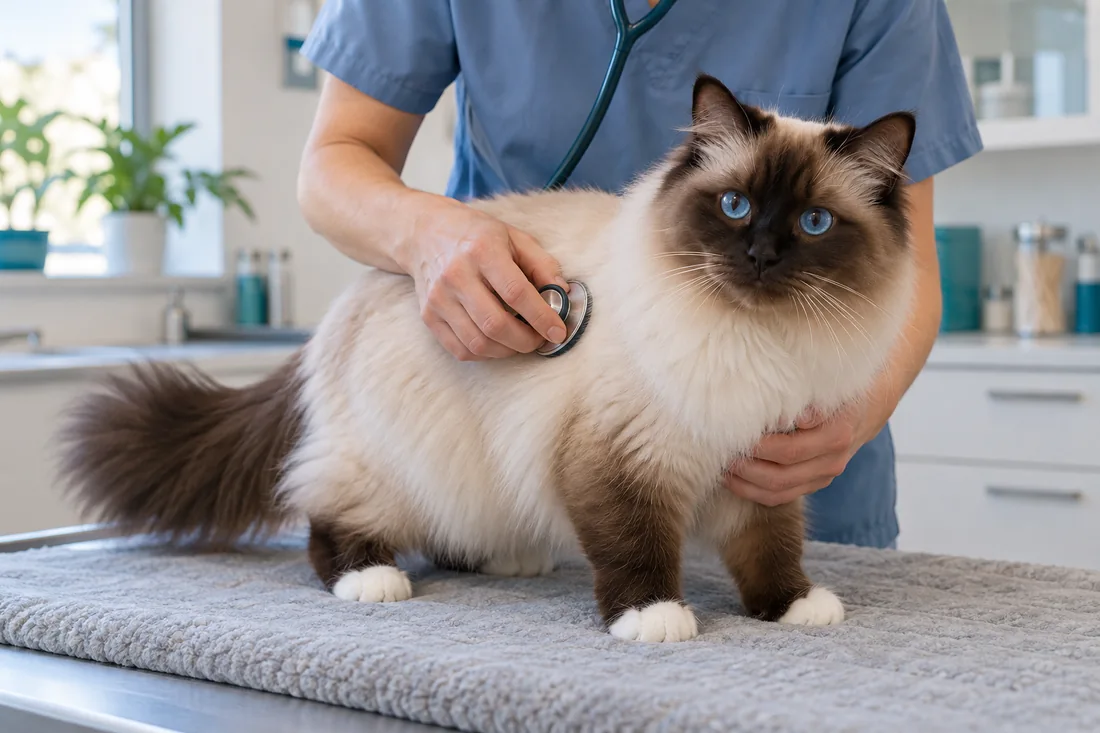
The strongest documentation comes from combining the pedigree with knowledge about health in the family. So do not only ask “does it have a pedigree?”, but also “what do we know about the lines?”. Relevant health examinations, known diagnoses, longevity, temperament and reproductive history may be just as important for a good breeding decision.
Pedigree, purchase agreement, statutory complaint rights and guarantee are four different things

What do statutory complaint rights mean when buying a live animal?

When buying from a trader, a two-year statutory complaint period generally applies. For live animals, the presumption period is six months: if a defect appears within the first six months, a special evidential rule generally presumes that it was present at delivery, unless that is incompatible with the nature of the defect or the animal.
When buying from a private person, the rules and complaint options are different. Forbrug.dk stresses that for pets it requires an individual assessment to determine whether the seller is private or acting as a trader. Therefore, do not use the word “guarantee” as a synonym for statutory rights.
Read the contract before you fall completely in love
FIFe requires agreements or restrictions with kitten buyers to be in writing. A good contract should be understandable and match what you have actually discussed.
Is the cat sold for companionship, showing and/or breeding?
Are faults, diseases, treatments or special observations clearly recorded?
Are neutering, breeding restrictions or other agreements clear and in writing?
If a special guarantee is promised, does it state exactly what it covers – and what it does not cover?
If a problem arises after the purchase
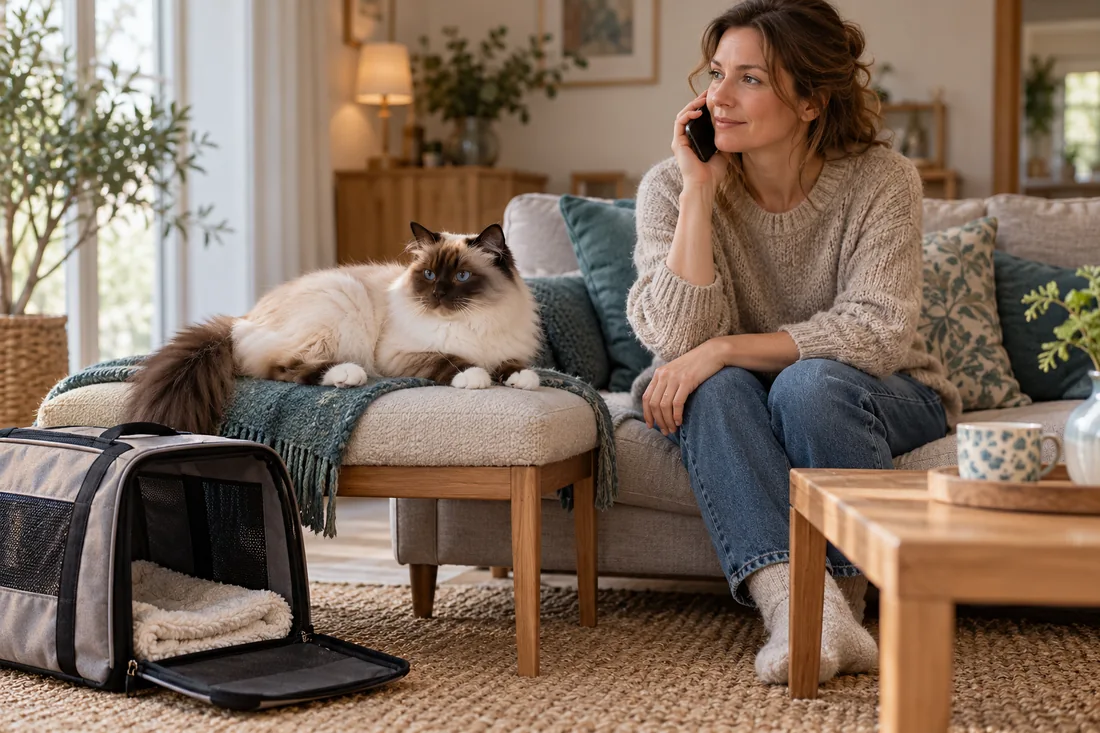
- Put the cat’s welfare first. Seek veterinary care immediately if the cat needs treatment.
- Contact the seller promptly and in writing. Describe symptoms, dates and what the veterinarian has found.
- Keep the documentation. Purchase agreement, pedigree, records, test results, invoices and messages may become important.
- Distinguish illness from a legal defect. A cat becoming ill does not automatically mean that a legal defect existed at delivery.
- Seek relevant help. A parent club, Felis Danica or consumer-law advice may be relevant depending on the case.
Official sources and further reading
- Felis Danica: Buying a cat
- Felis Danica: National additions to FIFe breeding and registration rules
- FIFe: current rules and forms
- Forbrug.dk: Complaints about pets and veterinarians
- See also: Buying a Birman