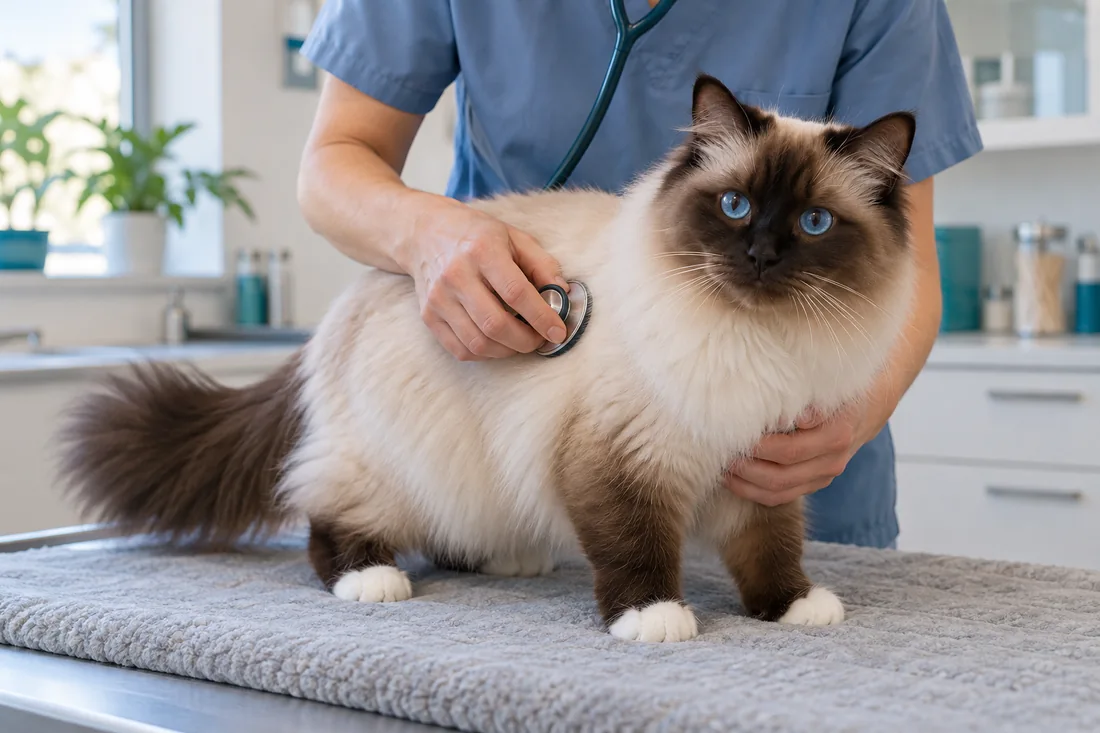
Chronic kidney disease (CKD) is especially common in older cats, but kidney problems can occur at any age. Early disease can be subtle because the kidneys have considerable reserve capacity.
Small changes can matterWeight, thirst, appetite and blood and urine tests can help detect kidney problems earlier.
♛
Signs that can be easy to miss
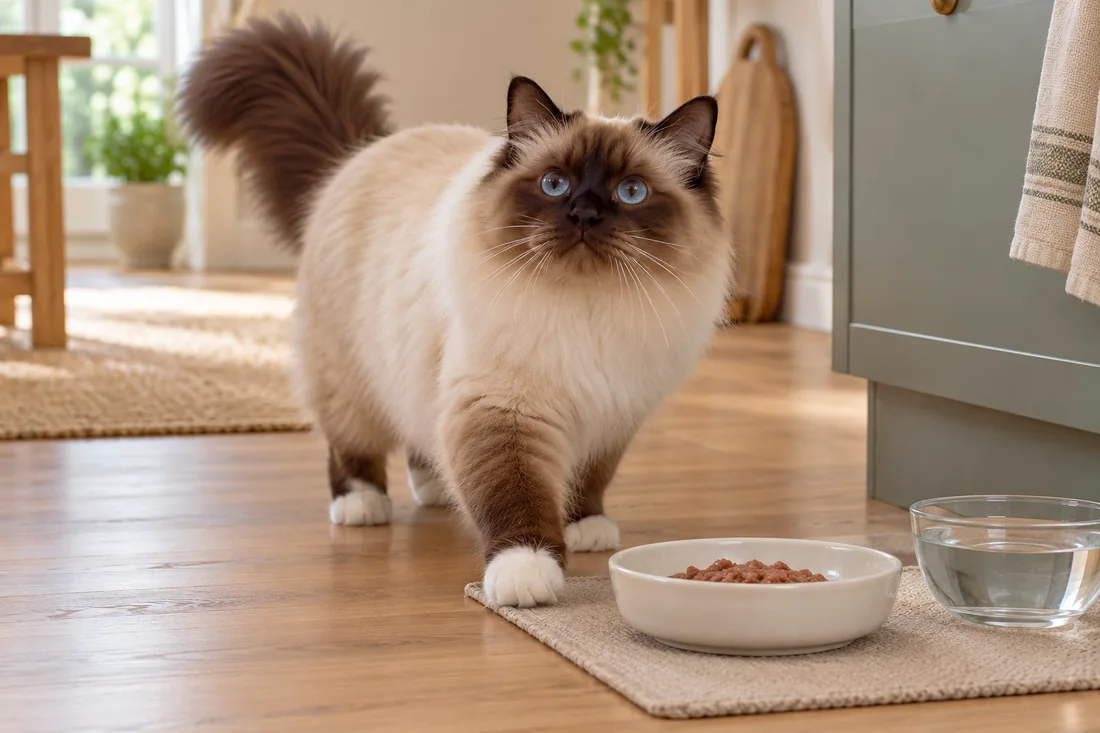
Increased thirst and urination, weight loss, reduced appetite, nausea, poorer coat quality and lower energy may be signs of kidney disease – but they can also have many other causes. They require investigation rather than guesswork.
What does the veterinarian investigate?

| Blood tests | Creatinine, SDMA, urea and electrolytes may all form part of the assessment. |
|---|---|
| Urine test | Urine concentration, protein, sediment and, where relevant, culture provide important information. |
| Blood pressure | High blood pressure can both accompany and worsen kidney disease. |
| Diagnostic imaging | Ultrasound or X-rays may be used when the kidney structure needs to be assessed. |
Everyday life after a diagnosis
Treatment is adapted to the stage of disease and the cat’s individual needs. It may involve diet, hydration, blood pressure, nausea, phosphate balance and management of concurrent disease. Cats with CKD can often enjoy a good quality of life for a long time with appropriate follow-up.
Please note: Siden er generel sundhedsformidling. Diagnose og behandlingsplan skal baseres på kattens egne undersøgelser.