“Vi har ingen medlemmer – vi er et fællesskab.”
Købsguide til Hellig Birma med grønne og røde flag
Før du siger ja

Køb af Birma

Se efter det, der viser ansvar i praksis – og vær klar til at gå, hvis historien ikke hænger sammen.

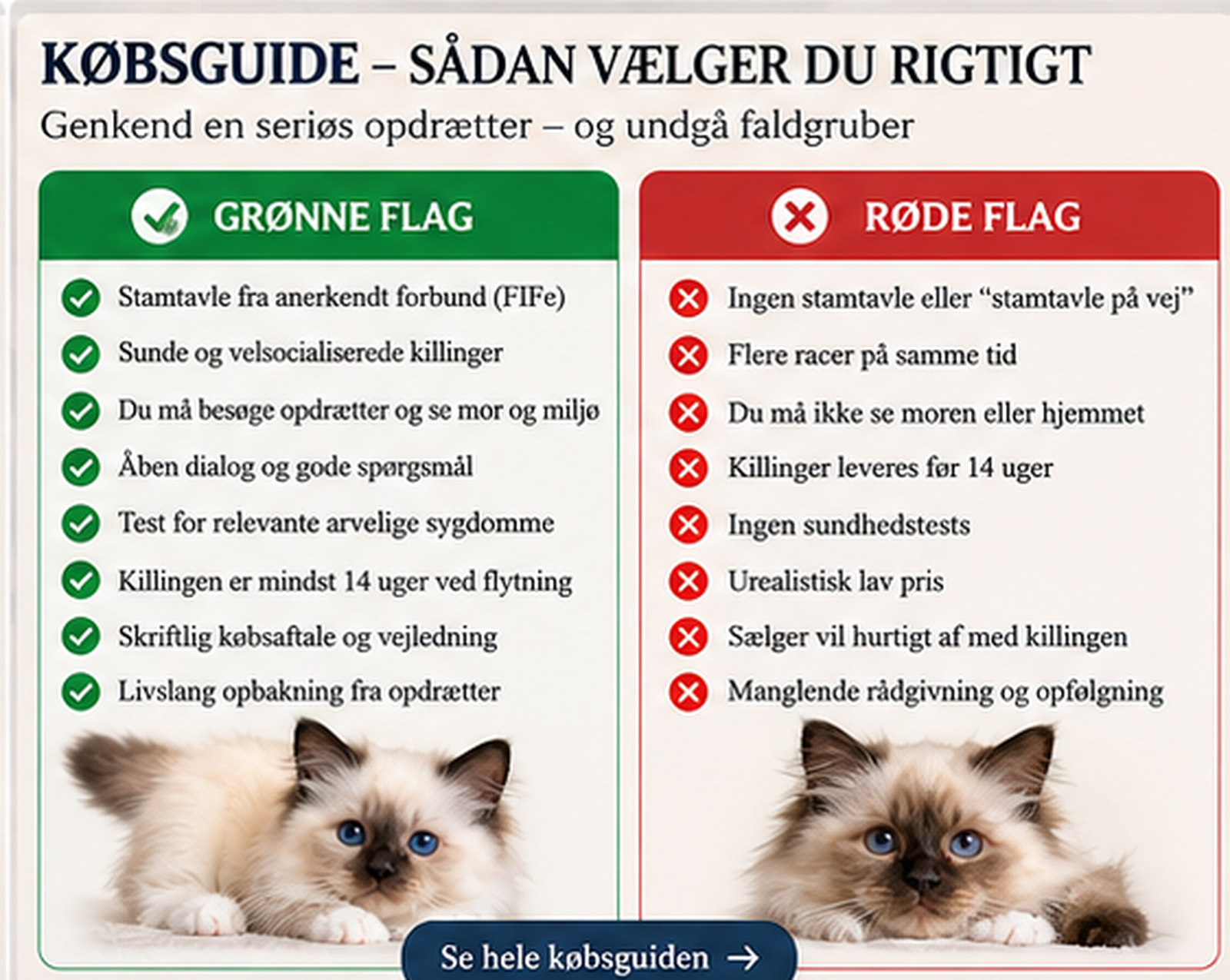
Grønne og røde flag – vist helt enkelt

✓ Gode tegn

✓ Du må se hjemmet, moren og miljøet

✓ Killingen har stamtavle fra anerkendt forbund

✓ Opdrætteren taler åbent om sundhed og linjer

✓ Der er skriftlig aftale og klar opfølgning

✓ Killingen flytter tidligst ved 14 uger

✓ En kælekat er neutraliseret før den forlader opdrætteren

✓ Opdrætteren stiller også spørgsmål til dig

× Stop og spørg igen

× Du må ikke se hjemmet eller moren

× “Stamtavle kan fås senere” eller ingen dokumentation

× Killingen skal afhentes meget ung

× Sælger presser på for hurtig betaling

× Svar om sundhed og baggrund bliver uklare

× Overdragelse foreslås på parkeringsplads eller andet neutralt sted

× Der er ingen interesse for killingens fremtidige hjem

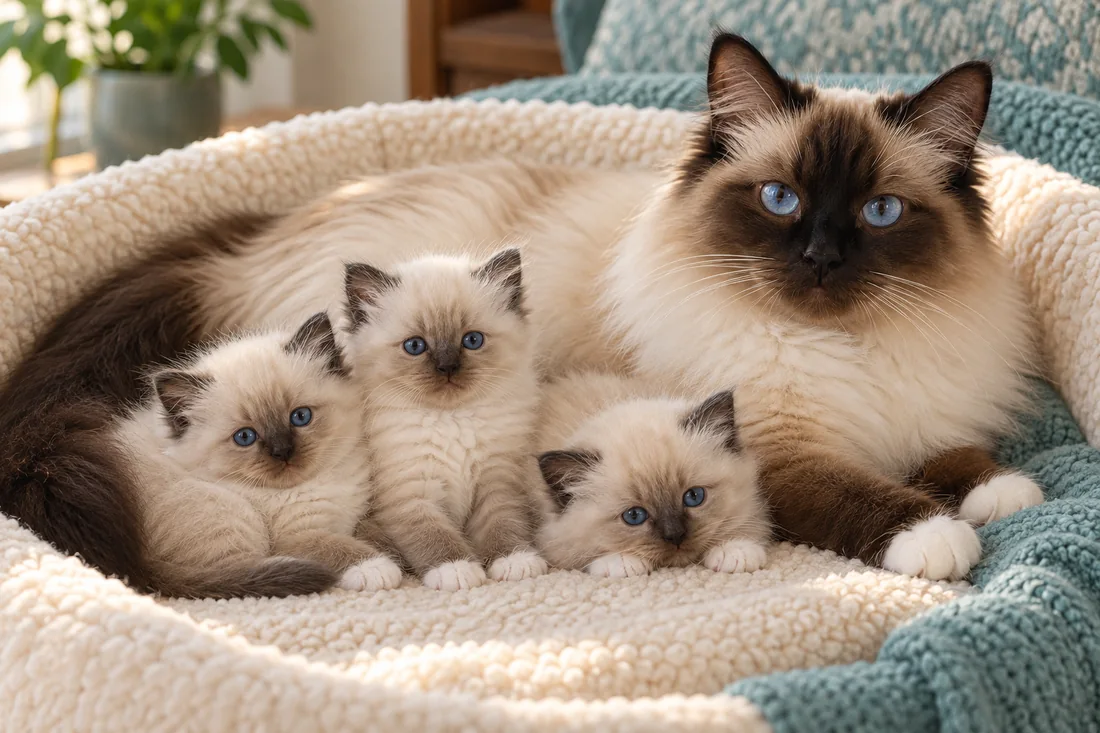
Illustration af en Hellig Birma med sit killingekuld
Moren og miljøet fortæller meget

Et besøg handler ikke kun om at vælge den sødeste killing. Se hvordan killingerne lever, hvordan de reagerer på mennesker, og hvordan opdrætteren omgås dem.

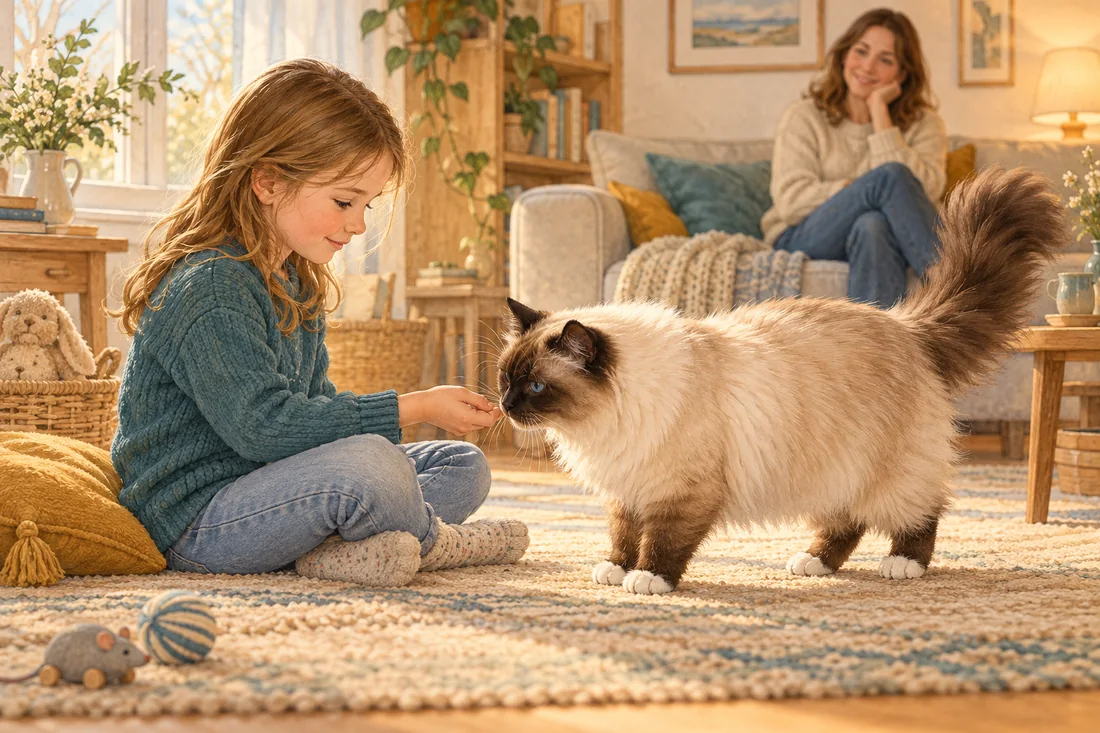
Principskitse af en kats stamtavle med far, mor og fire bedsteforældreIllustration: et barn sidder roligt, mens en Hellig Birma selv kommer hen og hilserHellig Birma med sikkert udeliv
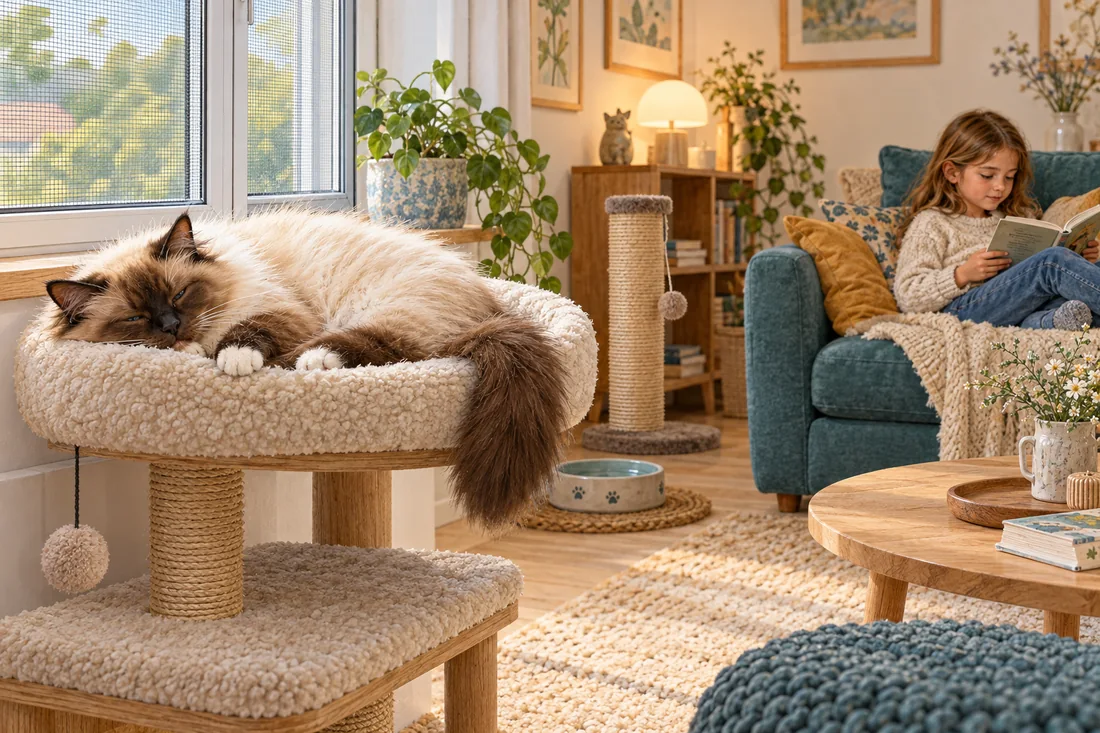
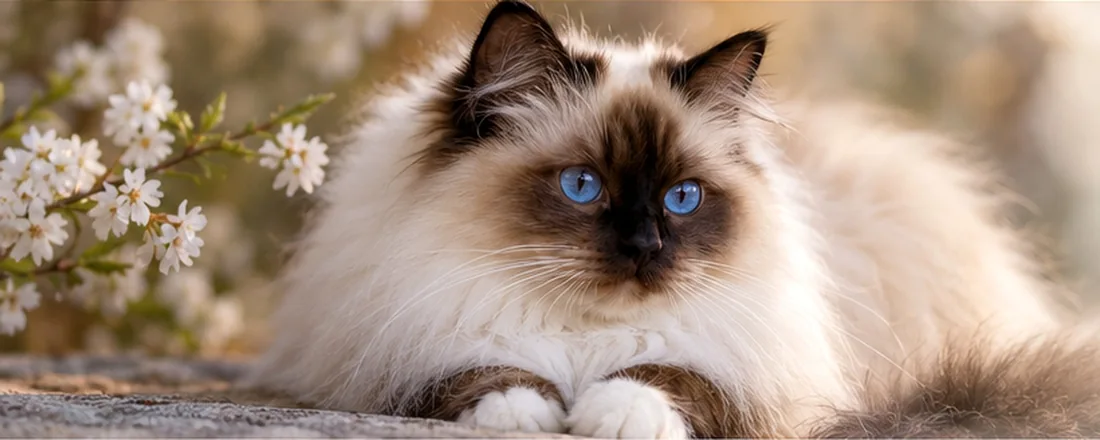
Hellig Birma med blå øjne og brun maske inklusive hagen
Use your head when buying with your heartA kitten may be chosen with the heart. A good purchase also requires questions, documentation and an honest look at the home the cat will live in.
♛

When you buy a Birman, you are not just choosing colour, sex and a beautiful face. You are choosing a cat, a breeder and a relationship that should provide reassurance for many years.

Start with everyday life – not colour
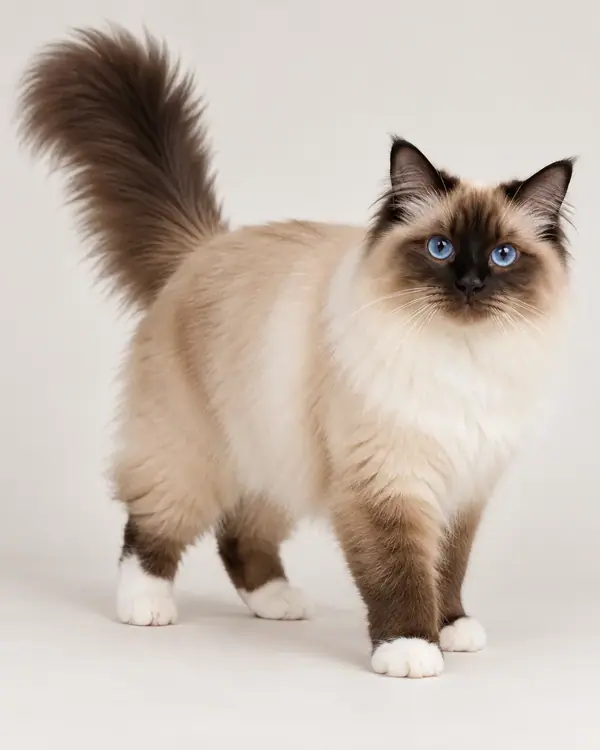
AI-illustration af Hellig Birma, brun / seal, voksen – SBI n
AI-illustration

The right kitten is the one that fits your life. Tell the breeder openly about your home, family, other animals, how much time the cat will spend alone, and whether you dream of showing or perhaps breeding later. An experienced breeder knows the kittens as individuals and can often judge a better match than a photograph can.

Everyday life
How much is the family at home, and how much company will the cat have?
Family
Are there children, other cats, a dog or other circumstances to consider?
Purpose
Will the cat be a companion, be shown – or are you already a registered breeder looking for a breeding cat?
Safe outdoor access
Consider a cat-proof garden, balcony or enclosure rather than allowing unprotected roaming.

Choose the breeder as carefully as the kitten
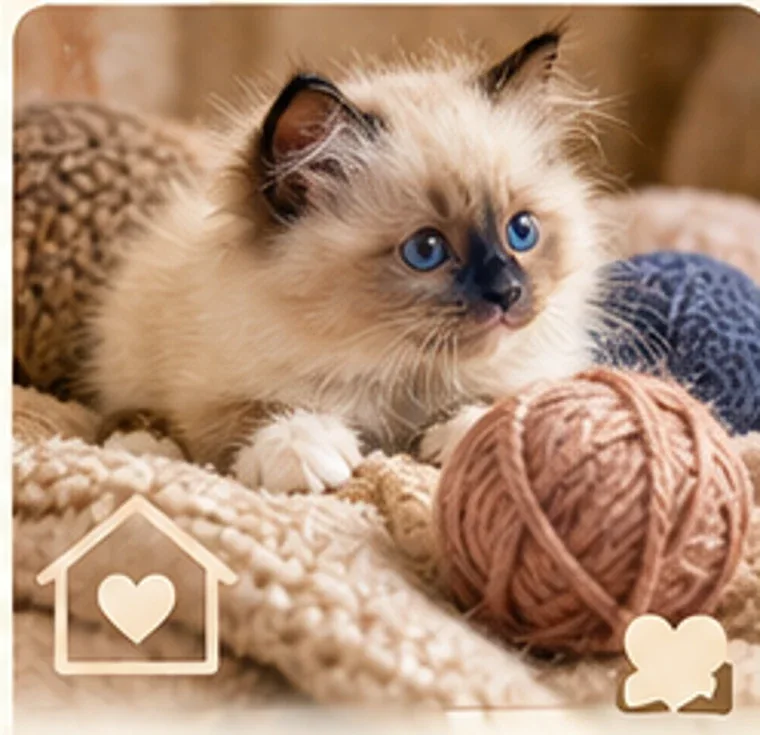
Illustration af en Hellig Birma-killing i trygge omgivelser
AI-illustration

A good purchase begins with trust and transparency. You should be able to ask questions – including critical ones – and receive understandable answers. A good breeder will also ask you questions, because the goal is not merely to sell a kitten but to find the right home.

See the environmentKittens should grow up in conditions where you can gain an impression of welfare, cleanliness, human contact and socialisation.
Ask about the familyAsk about the parents, close relatives, temperament, known diseases and relevant health examinations.
Read the paperworkAsk to see pedigree information, the purchase agreement and health documentation before you are standing there with the carrier in your hand.
Think beyond the purchaseAsk what support the breeder offers if you later have questions about food, behaviour, health or welfare.

What you should at minimum expect under FIFe/Felis Danica

Illustration af Hellig Birma med blå øjne og hvide poter
AI-illustration

Clear minimum requirements apply to kittens from a FIFe-registered cattery. In Denmark, Felis Danica follows these rules.

At least 14 weeksA kitten must not move to a new home before 14 weeks of age. This is a minimum – not a date by which every kitten is necessarily ready.
VaccinatedThe kitten must be fully vaccinated against feline panleukopenia, calicivirus and herpesvirus unless a veterinarian specifically advises otherwise.
MicrochipAll kittens must be identified by microchip, and the chip number must be documented in or on the pedigree.
PedigreeThe kitten must be registered in the pedigree book. The pedigree belongs with the cat and is not an optional extra.
Many responsible breeders choose to keep a kitten beyond the minimum age when its development, socialisation, vaccination schedule or individual situation makes that appropriate.

Ask before you reserve

Plads i budgettet
Forklarende grafik
Ancestry
Can I see information about the parents and pedigree – and did the breeder explain why this particular combination was chosen?
Health
What examinations have been carried out on the parents, and what is known about health in the close family?
Socialisation
What is the kitten accustomed to in terms of people, sounds, handling, transport, grooming and everyday life?
The agreement
What does the contract say about intended use, neutering, known faults, special terms and support if problems arise?

Red flags that should make you pause
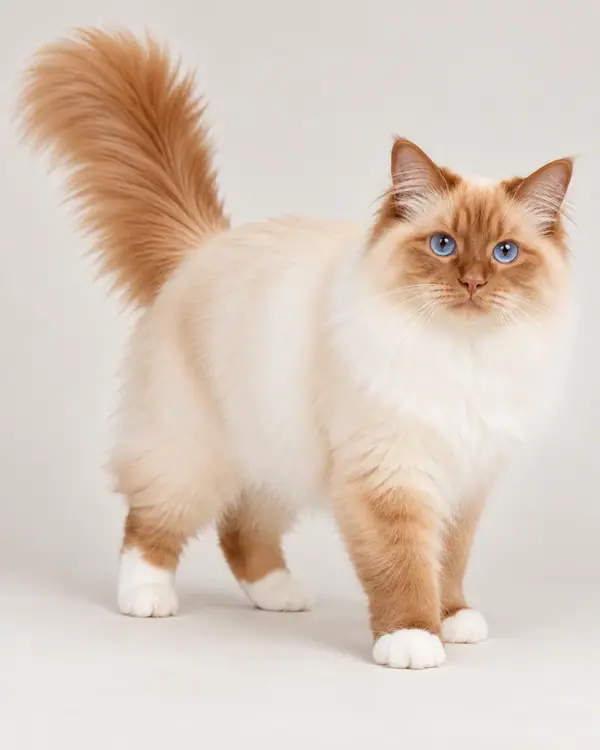
AI-illustration af Hellig Birma, rød, voksen – SBI d
AI-illustration
  • “Pedigree cat without a pedigree.” Appearance alone does not document registered ancestry.
  • “You can buy the pedigree later.” In a registered Felis Danica cattery, the pedigree is part of the cat – not an optional extra.
  • The kitten is to move before the minimum age, or vaccination and microchip documentation is missing.
  • You are pressured into quick payment or reservation before receiving proper information and written terms.
  • The breeder will not discuss health, family history or known faults, or answer reasonable questions.
  • There is no clear purchase agreement, or verbal promises do not match what is written.

Companion, show or breeding?

Forberedelse til udstillingen
Forklarende grafik

The terms describe what the cat is sold for – not how much it is loved. A companion cat can be every bit as typical, wonderful and valuable to its family as a cat used for breeding or showing.

CompanionThe cat is bought as a family member. There may be an agreement about neutering, or the cat may already be neutered before moving.
ShowThe breeder judges that the cat has potential, but no one can guarantee future development, judges’ results or titles.
BreedingA breeding cat should be assessed far more broadly than by appearance: health, family history, temperament, genetics, breed type and what the cat can contribute.
The pedigree follows every catThe pedigree is not only for breeding cats. It also follows the companion cat and documents its registered background.

When the cat moves, you should have

AI-illustration af Hellig Birma, der selv undersøger en åben transportkasse
AI-illustration
The purchase agreement
Both parties should know exactly what has been agreed.
The pedigree
Or documentation that it has been applied for if it has not yet been issued.
Vaccination and microchip
Check dates, ID number and veterinary documentation.
Everyday information
Food, routines, grooming, litter habits, insurance and who to contact with questions.
A good sign: The breeder is as interested in you and your home as you are in the kitten. That is not being difficult – it is responsibility.

Official sources and further reading

Rules change. Current requirements should therefore always be checked with the organisation in which the cat is registered.

Last fact-checked 3 October 2026.