Born almost white
At birth the points are usually not visible. The priorities are warmth, milk, sleep and close contact with mother and littermates.
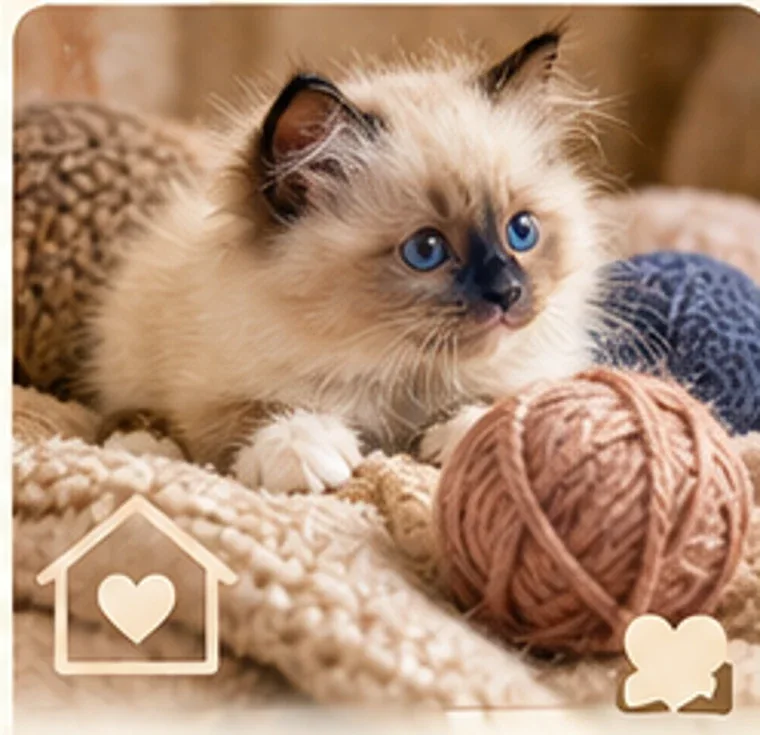
The tiny white bundle gradually gets a mask, colour, coat, coordination – and a very clear opinion about who owns the home.
Birman kittens are born pale because point colour is temperature-sensitive. Their appearance changes quickly in the first weeks, but final colour and adult overall type take much longer.
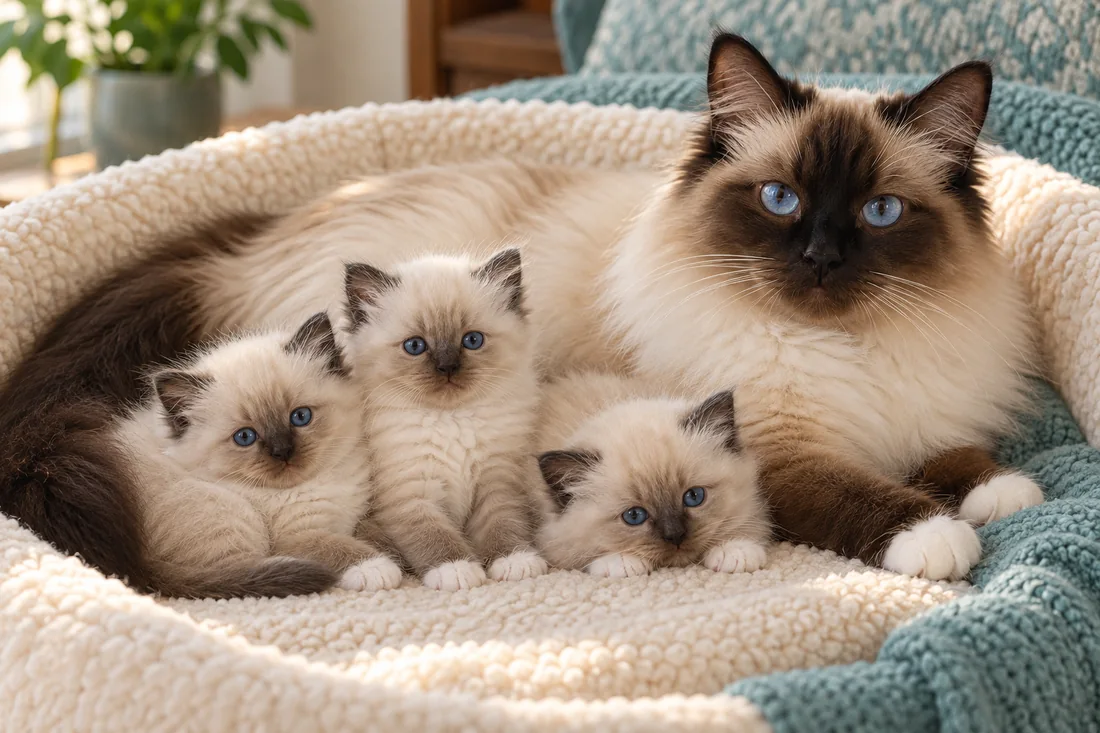
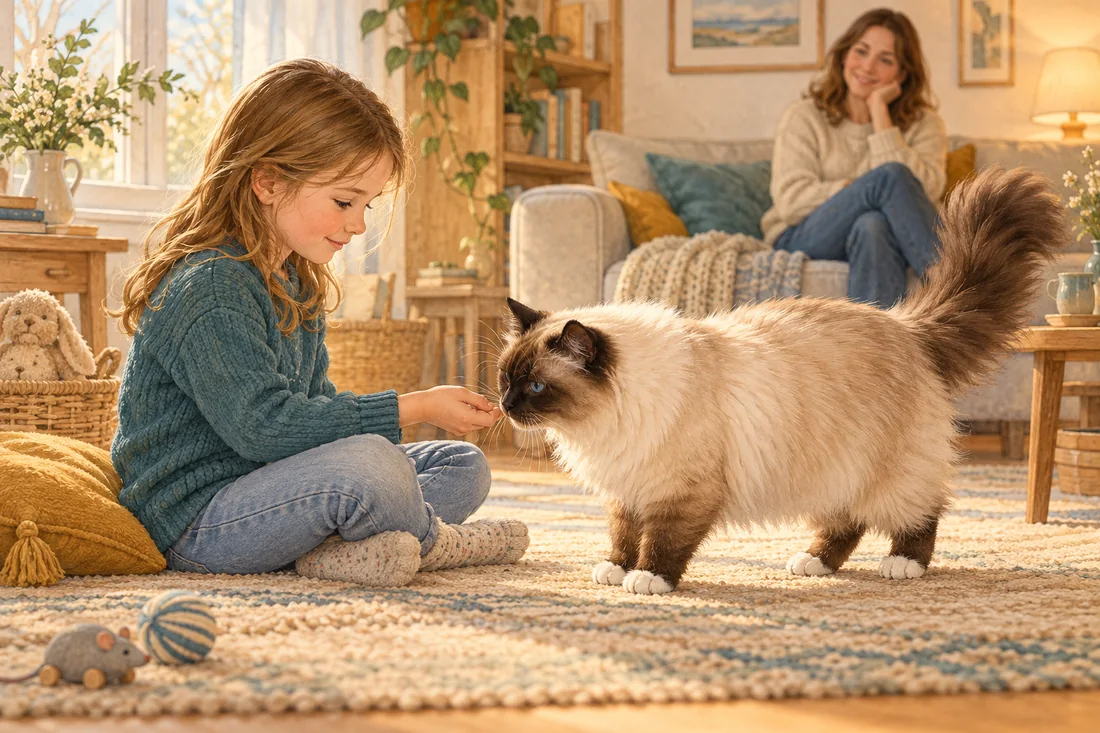
At birth the points are usually not visible. The priorities are warmth, milk, sleep and close contact with mother and littermates.
Ears, nose area and tail may begin to show colour. It does not happen equally in every colour or kitten, so early guesses are exactly that – guesses.
The mask becomes clearer, the eyes are open, coordination accelerates and the kitten seriously begins to explore people, siblings and surroundings.
Play, body language and social skills develop rapidly. Differences between the bold climber, the thoughtful observer and the professional lap-seeker often become clearer.
Points and markings are easier to assess, but the colour is far from finished. The kitten still benefits greatly from mother, littermates, routines and safe social learning.
Birmakredsen follows FIFe’s minimum of 14 weeks. Age alone does not make a kitten ready; the breeder must also assess welfare, social maturity and the other requirements surrounding transfer.
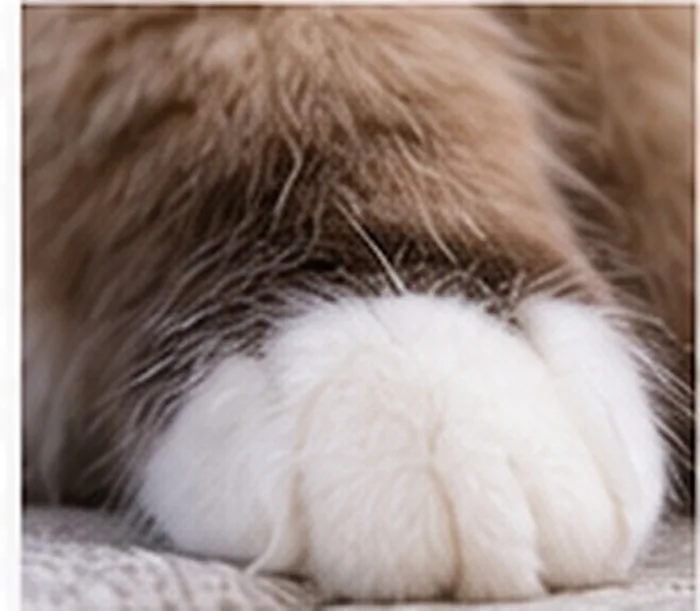
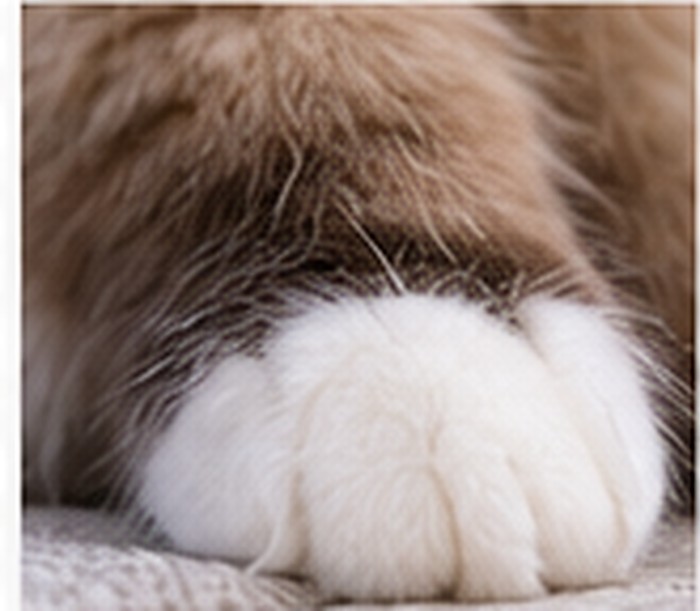
The white is present from the start, but tiny paws, coat and posture can mislead in photos. Markings become easier to assess as the kitten grows – and they do not change its value as a family cat.
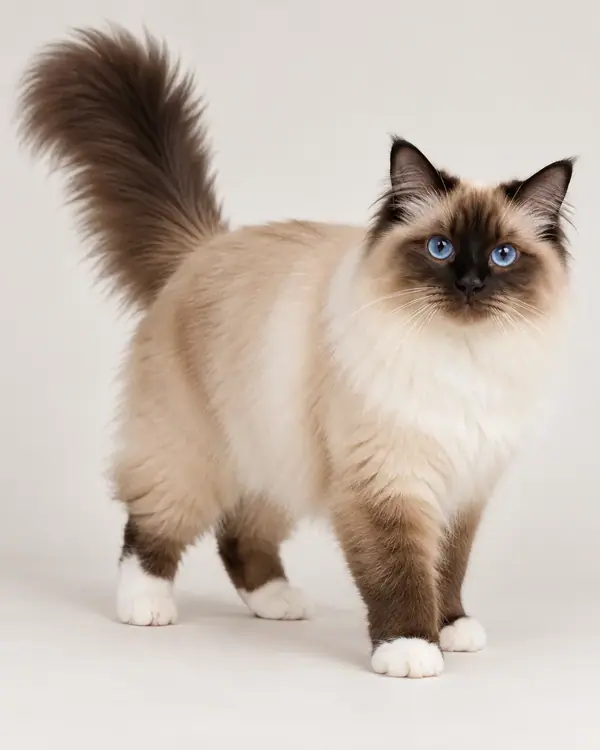
Point and body colour continue to develop through adolescence and adulthood. Some Birmans darken noticeably with age, and contrast is also influenced by temperature and genetics.
A kitten photo is a snapshot. Do not choose a kitten only by who has the darkest mask or the most photogenic gloves at six weeks.