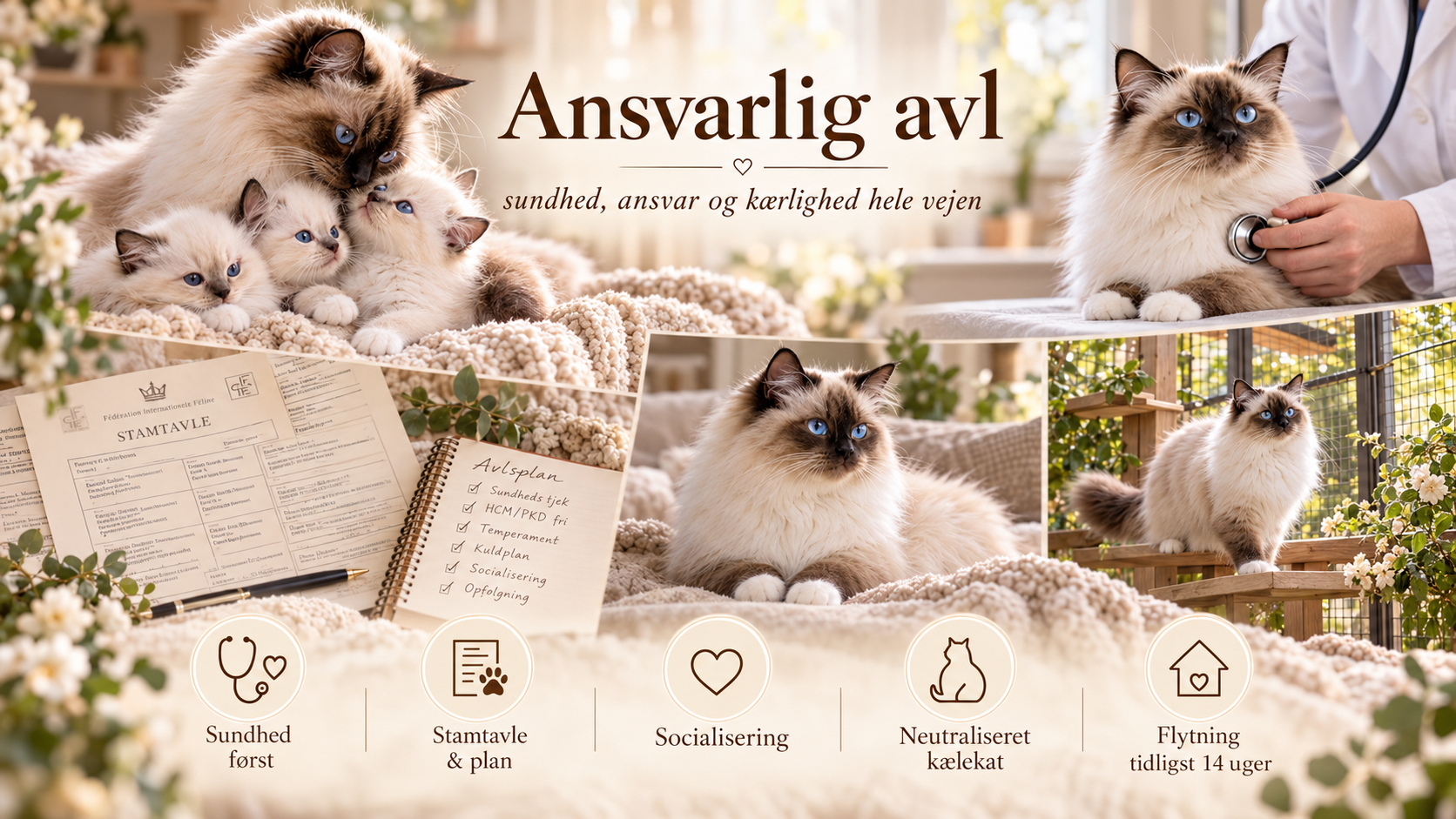
Birmakredsen’s starting point is simple: the cat always comes first. The goal is not to create the perfect cat, but to create the best possible conditions for the next generation to be at least as healthy, robust and well-functioning as the previous one – and preferably healthier.
Think about the whole cat – throughout its life
A breeding cat should be assessed as a whole individual. Show titles tell us something about how closely the cat matches the breed standard, but they are not a health certificate. A DNA test only tells us about the variant or variants it actually examines. And a cat that appears healthy today may still have family risk factors that are relevant to a breeding decision.
Before mating: ask more than “do they match?”
A planned mating begins long before the queen comes into season. Both cats should be assessed for age, health, temperament, reproductive history, pedigree, family history and the strengths and risks of the specific combination. This is also the time to decide which information should be followed in the offspring later.
Questions to ask before mating
- Which qualities is the combination intended to preserve or improve?
- Which known health problems exist in both families – including beyond the parents?
- Does the pedigree repeat certain cats or lines heavily?
- Are both cats physically and mentally suited to a breeding life?
- Are there issues that should be investigated before mating – for example heart, blood type, teeth or reproduction?
- Is there a plan if pregnancy, birth or the neonatal period becomes complicated?
Health examinations are tools – not final answers
Responsible screening means choosing examinations that make sense for the breed, the family and the individual cat. Some diseases can be investigated genetically; others require clinical examinations, scans or ongoing follow-up. In the Sacred Birman, for example, there is no single DNA test that can clear a cat of HCM. Echocardiography and family history are therefore much more relevant in that context.
Current FIFe rules and appendices highlight genetic tests and health examinations as tools in breeding. In the current 2026 list, the Sacred Birman (SBI) is not listed with a mandatory breed-specific DNA test. This is precisely why a broad health assessment is more important than searching for one “test package” that can declare a cat healthy.
Blood type and neonatal isoerythrolysis
Blood type can be relevant both in breeding and transfusion. FIFe’s 2026 appendix recommends blood typing all cats intended for breeding because incompatible combinations can cause neonatal isoerythrolysis in kittens. It is a good example of prevention beginning before mating.
Genetic diversity, COI and the pedigree as a working tool

Like all established breeds, the Sacred Birman has a historical gene pool in which certain ancestors will occur many times. A pedigree should therefore be read as more than four generations of names. It tells us which lines are repeated, where diversity comes from and where a population may become too dependent on individual popular breeding animals.
COI (coefficient of inbreeding) is useful, but it cannot stand alone. Two cats with almost the same COI may have very different relationships depending on which ancestors they share and how. COI should therefore be combined with pedigree analysis, health data and concrete knowledge of the families.
Fertility is also health data
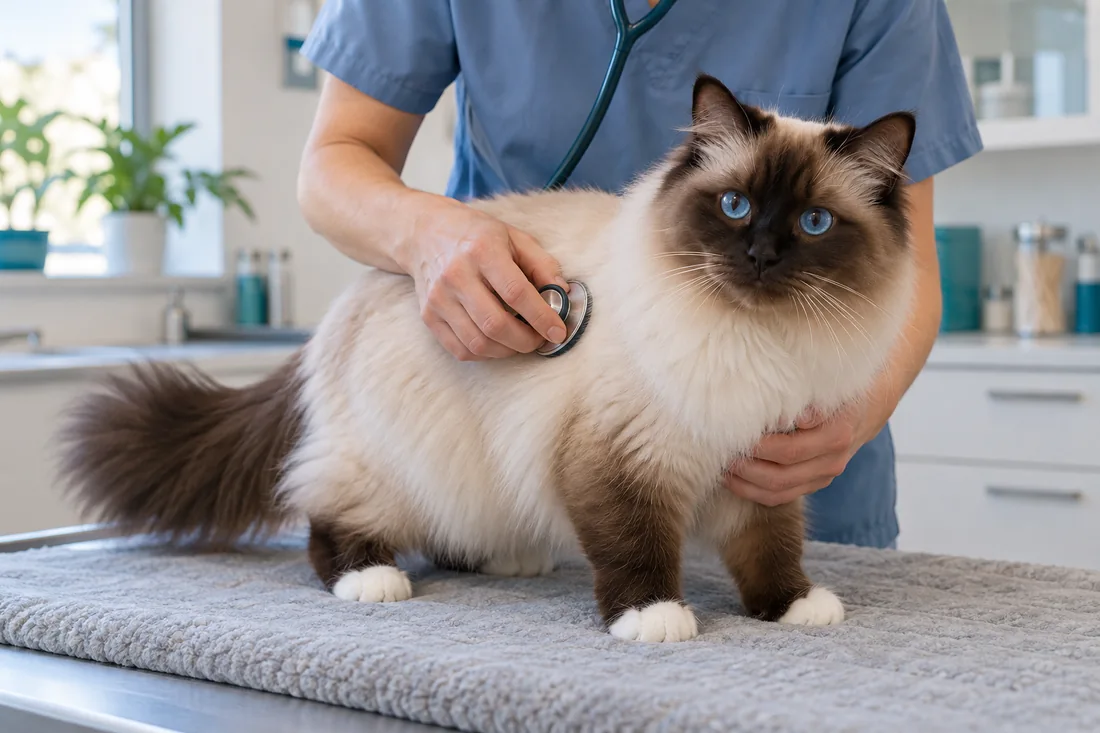
Reproduction tells us something about how the body functions. Repeated problems with mating, pregnancy, birth, small litters, poor milk production or kittens failing to thrive should not simply be dismissed as “bad luck”. They may signal that health, the combination, the environment or the breeding base needs closer assessment.
Ét problem kan være tilfældigt. Gentagelser fortjener opmærksomhed.
Fødsel, kejsersnit, killingedødelighed og vækstdata kan blive vigtig viden senere.
Reproduktionsproblemer bør vurderes fagligt – ikke kun forklares med erfaring eller mavefornemmelse.
The queen is not a “production unit”
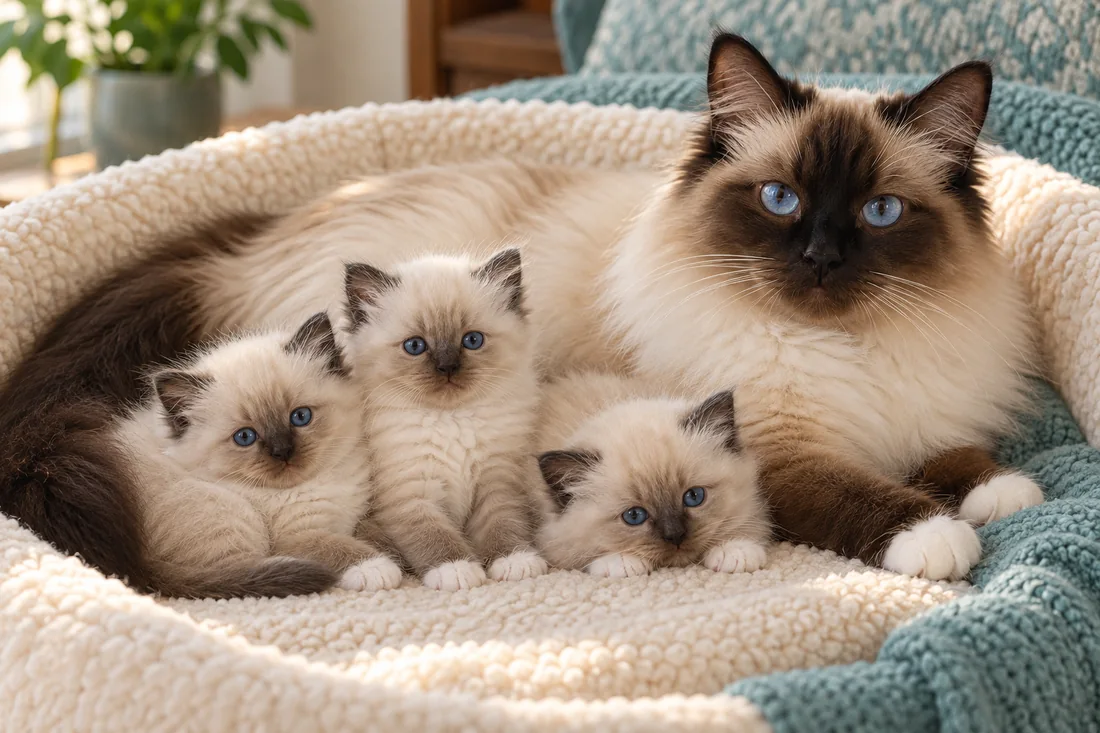
A litter must never come at the expense of the queen’s health. She should be healthy and suitable for breeding, receive appropriate nutrition and rest, be able to be monitored during pregnancy, birth and lactation, and have rapid access to veterinary help if problems arise.
FIFe rules limit the number of litters and state, among other things, that a queen requiring repeated caesarean sections must not continue to be used for breeding. Births must be supervised, and a queen giving birth or caring for unweaned kittens must have a separate suitable area.
The first weeks cannot be redone
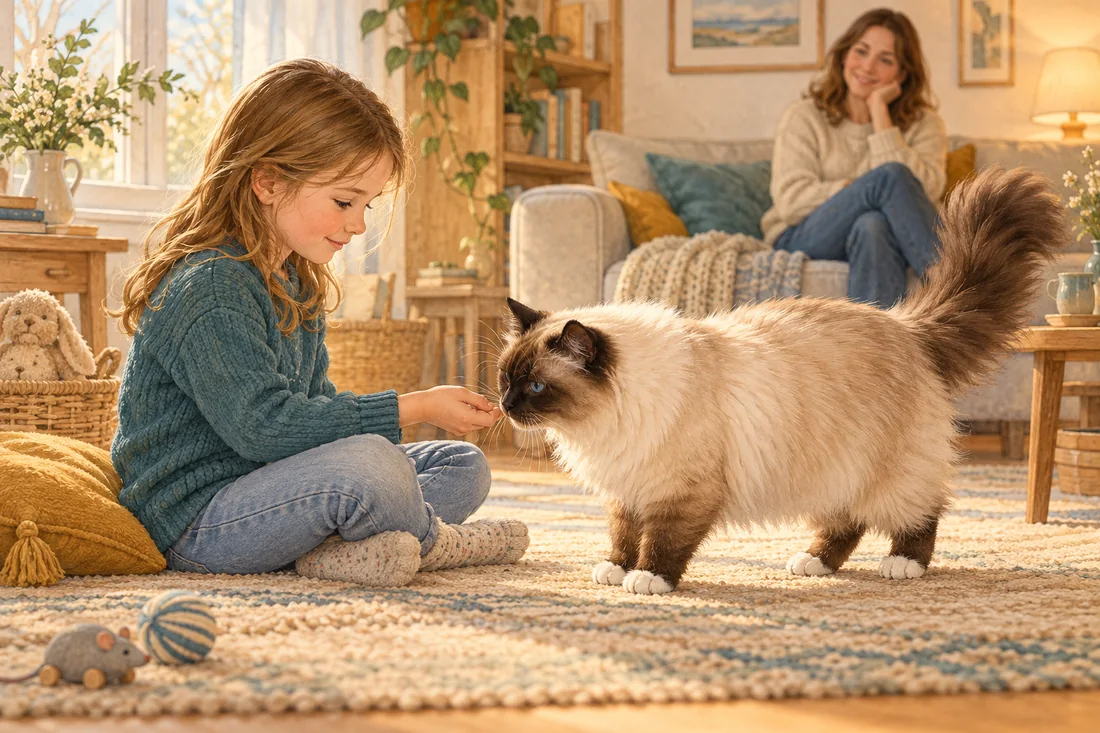
Kittens do not develop only in grams. They learn feline communication, bite inhibition, boundaries, play, curiosity and how to handle new experiences. Their mother and littermates are a major part of that learning. Socialisation is therefore not about exposing the kitten to as much as possible, but about positive experiences at a pace the kitten can manage.
FIFe’s 14-week rule

Under current FIFe rules, kittens may not move to a new home before they are 14 weeks old. They must be fully vaccinated against panleukopenia, calicivirus and herpesvirus unless a veterinarian recommends otherwise, and all kittens must be microchipped with the chip number documented in or on the pedigree.
Birmakredsen follows FIFe’s 14-week rule: kittens move no earlier than 14 weeks. A kitten sold as a pet is neutered before leaving the breeder.
When a cat should not be used for breeding

The hardest responsibility in breeding is often saying no. A beautiful cat with a wonderful temperament may still be a poor breeding choice if its health, function or family history gives substantial cause for concern. Conversely, a cat without major titles may be genetically and medically valuable to the population.
Ethical breeding is therefore not about “proving” that a cat can be used. It is about assessing whether it is responsible and meaningful to use that cat. When new evidence changes the picture, the plan must be able to change with it.
Openness is part of health work
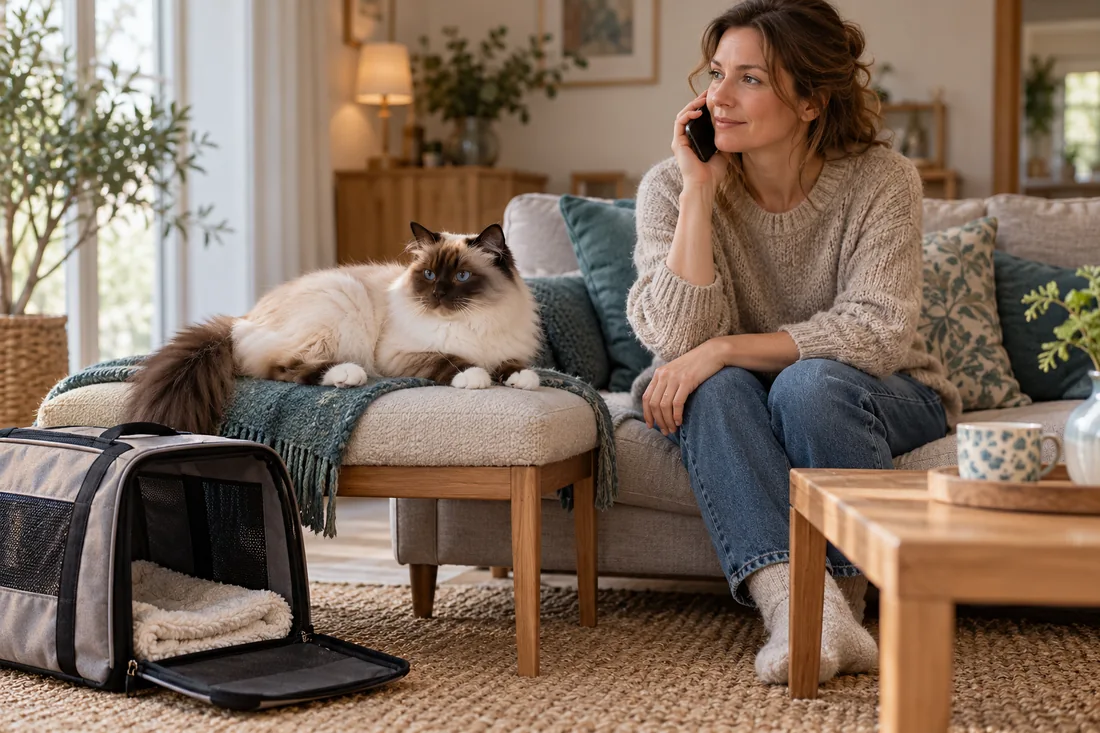
A breed is not protected by hiding problems. It is protected by recording them, putting them in context and using them in future decisions. This applies to disease, fertility, congenital defects, temperament and unexpected outcomes.
Responsibility does not end at the front door
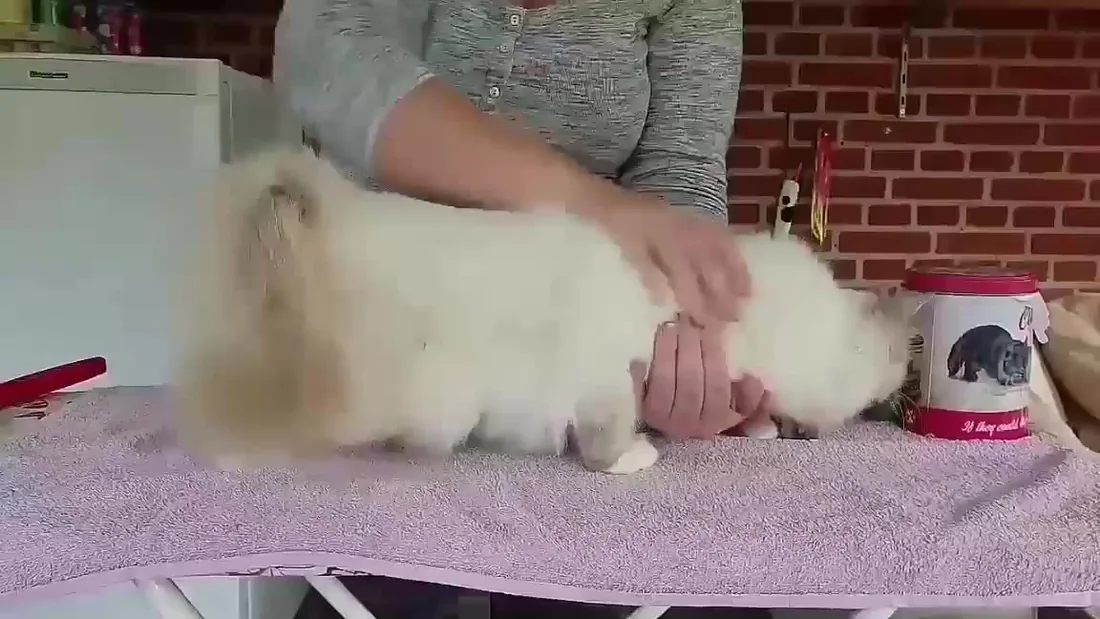
The breeder’s responsibility continues after the kitten leaves. The buyer should receive honest information, documentation and realistic expectations of the breed. The breeder should be available for questions and take new health information from previous kittens seriously because it may matter to siblings, parents and future combinations.
A shared responsibility for the Sacred Birman
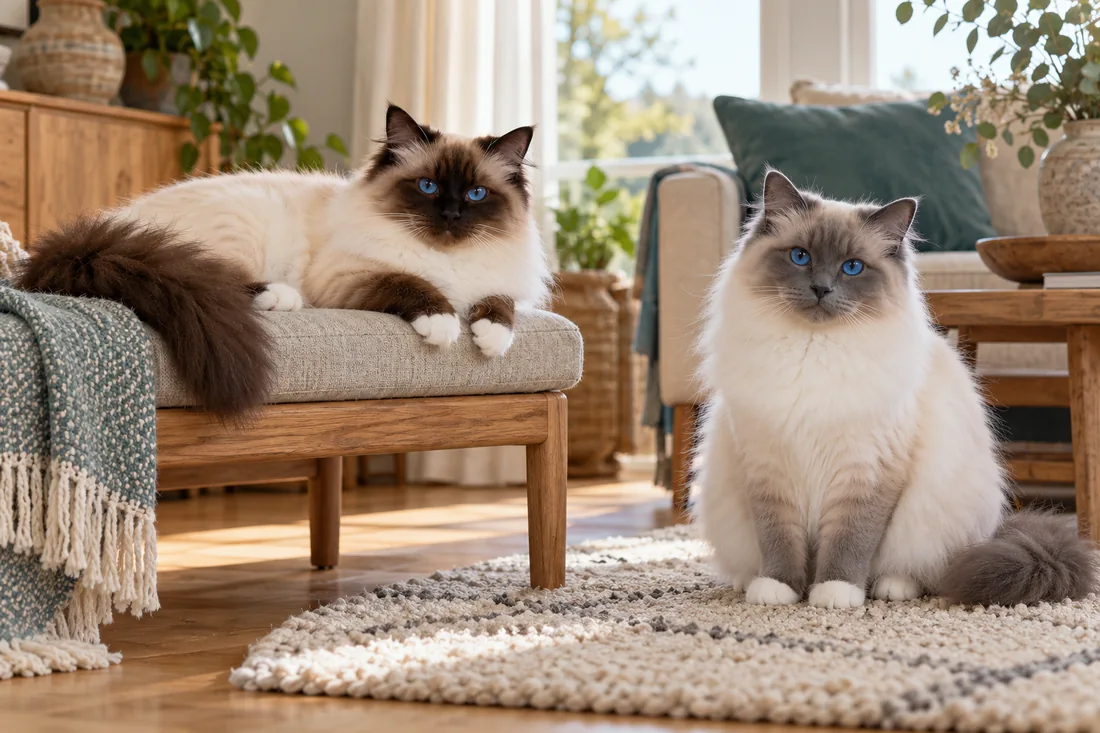
No breeder can secure a breed’s future alone. It requires cooperation between breeders, veterinarians, researchers, organisations and committed cat owners. New knowledge should be met with curiosity and a critical professional eye – not with panic, but not with stagnation either.
FIFe Health & Welfare Rules · FIFe Rules & Forms · FIFe Health & Welfare Commission.
Siden samler og videreudvikler Birmakredsens tidligere Facebook-serier om Health & Welfare, genetisk variation, COI, fertilitet, killingers første uger og opdrætterens ansvar. Regler kontrolleret 1. oktober 2026.
Last updated: 1 October 2026