The Sacred Birman is more than blue eyes and white gloves. It is a special whole of build, head shape, proportions, coat and expression – a whole that has been preserved through generations of breeders.
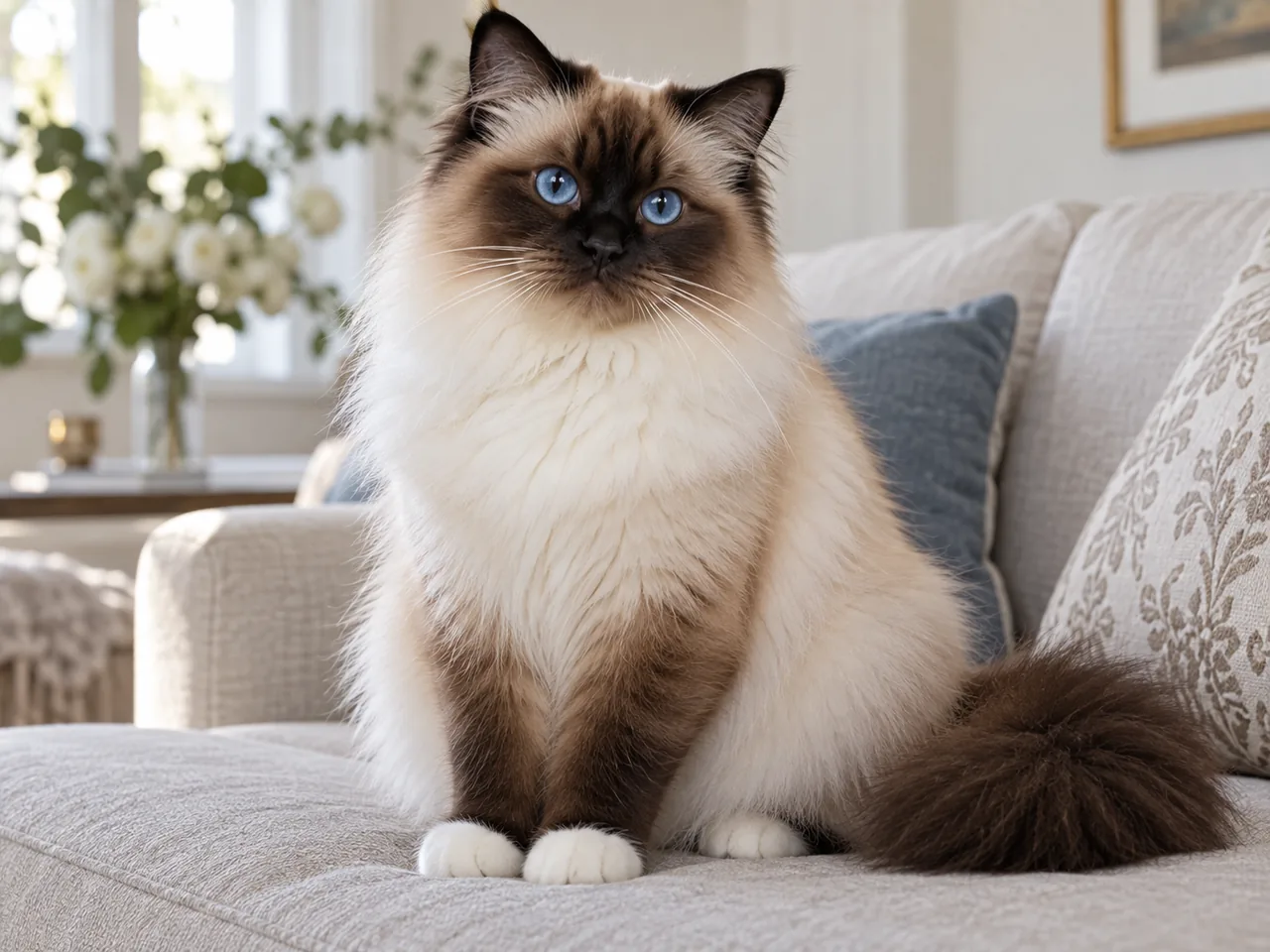
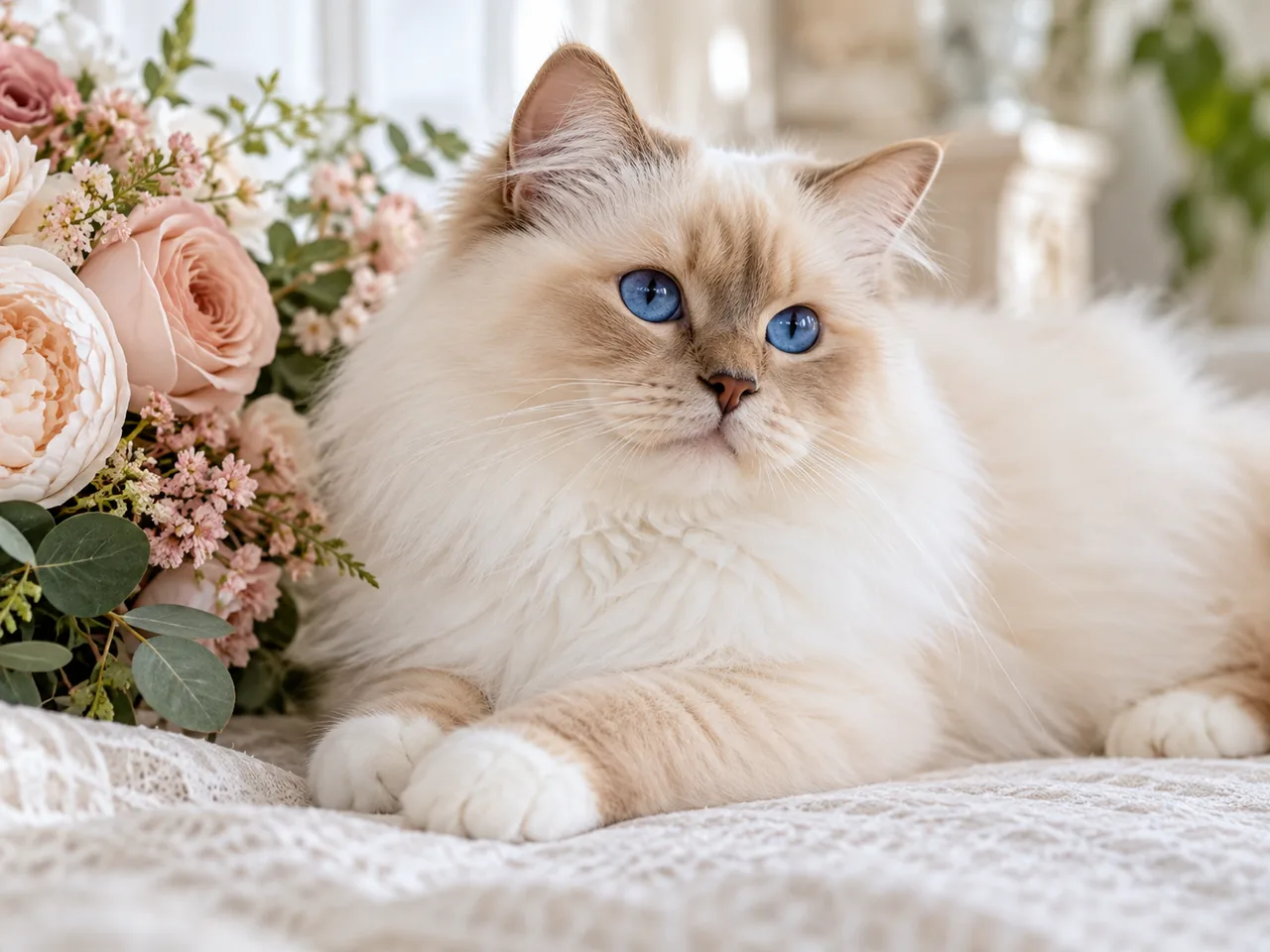
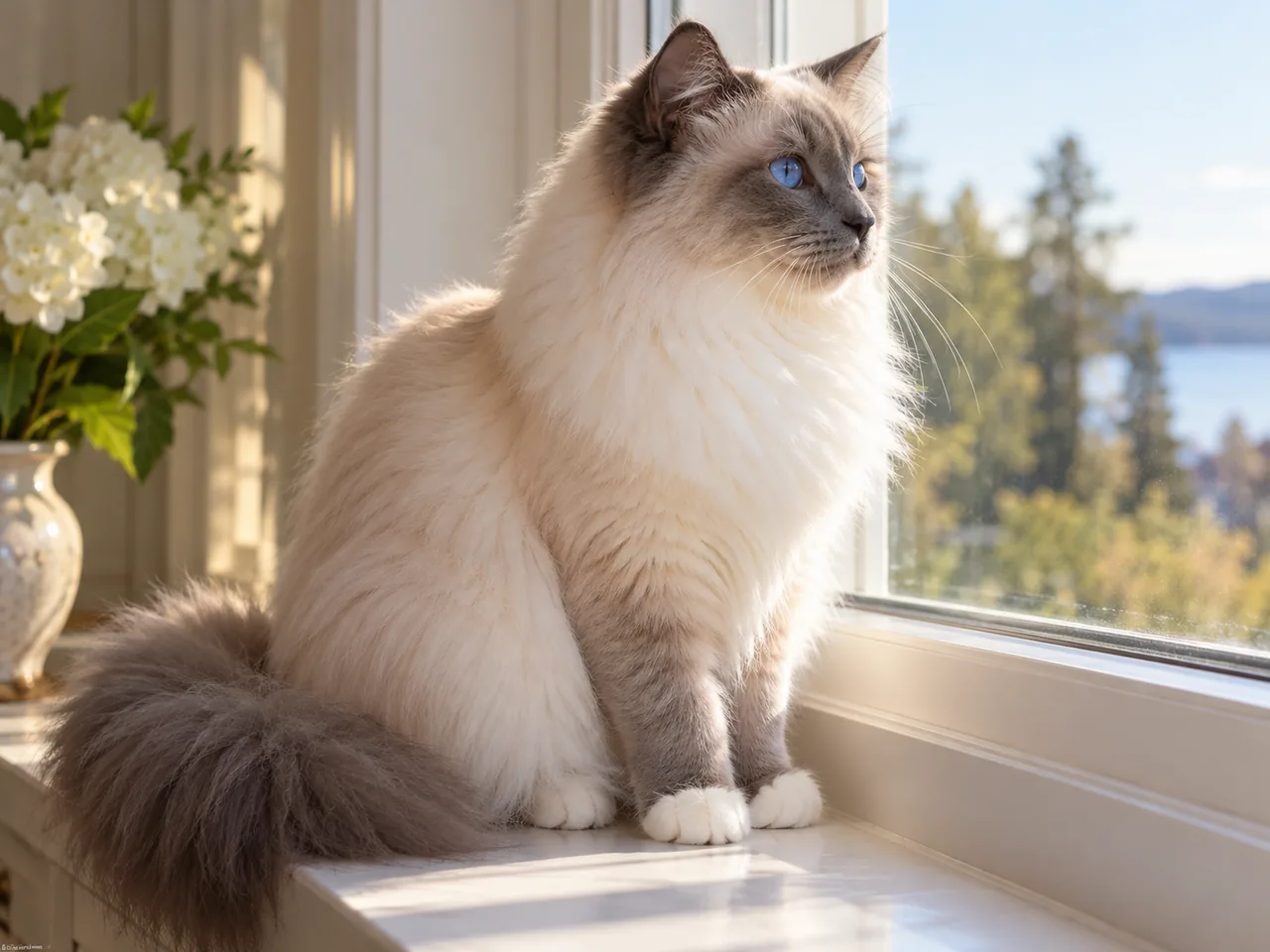
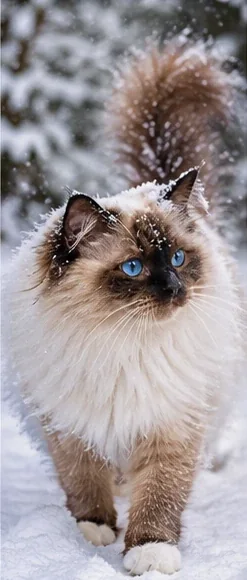
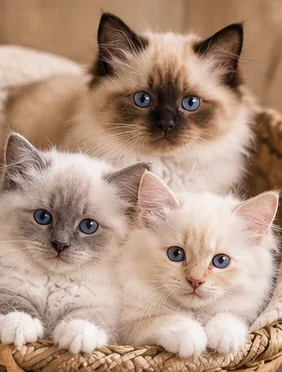
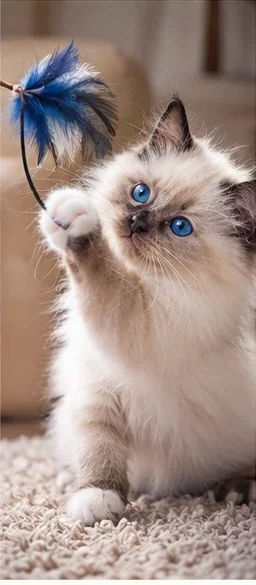
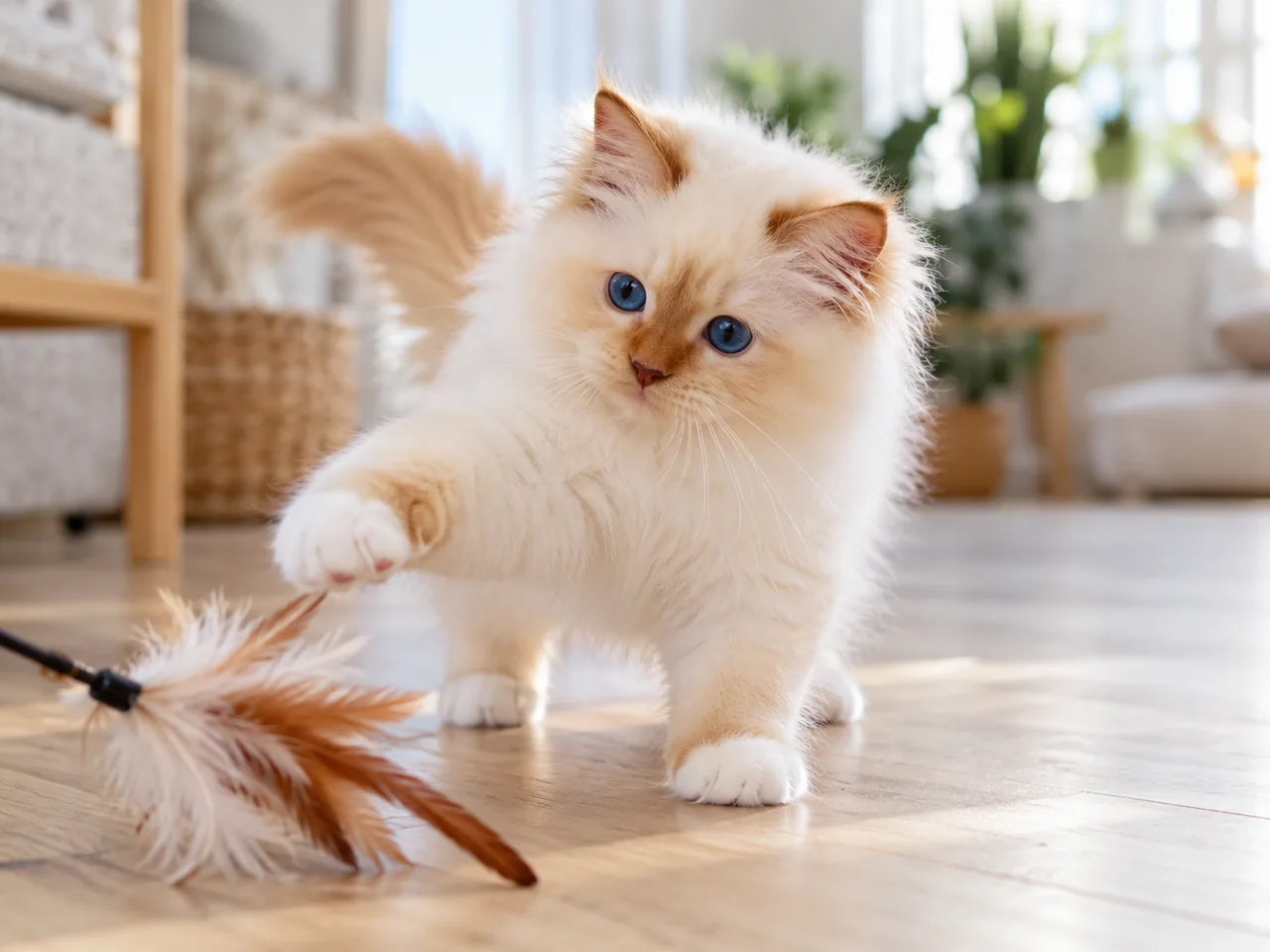
The images are AI-generated mood illustrations, not documentation of the specific judging details of the FIFe standard.
Hanne-Sofie Sneum wrote a thorough, English-language review of the FIFe standard. She knew the breed and warned against it being pulled towards the extremes of other breeds. Her point was not that the Birman should stand still at the expense of health and welfare, but that it should be allowed to remain itself.
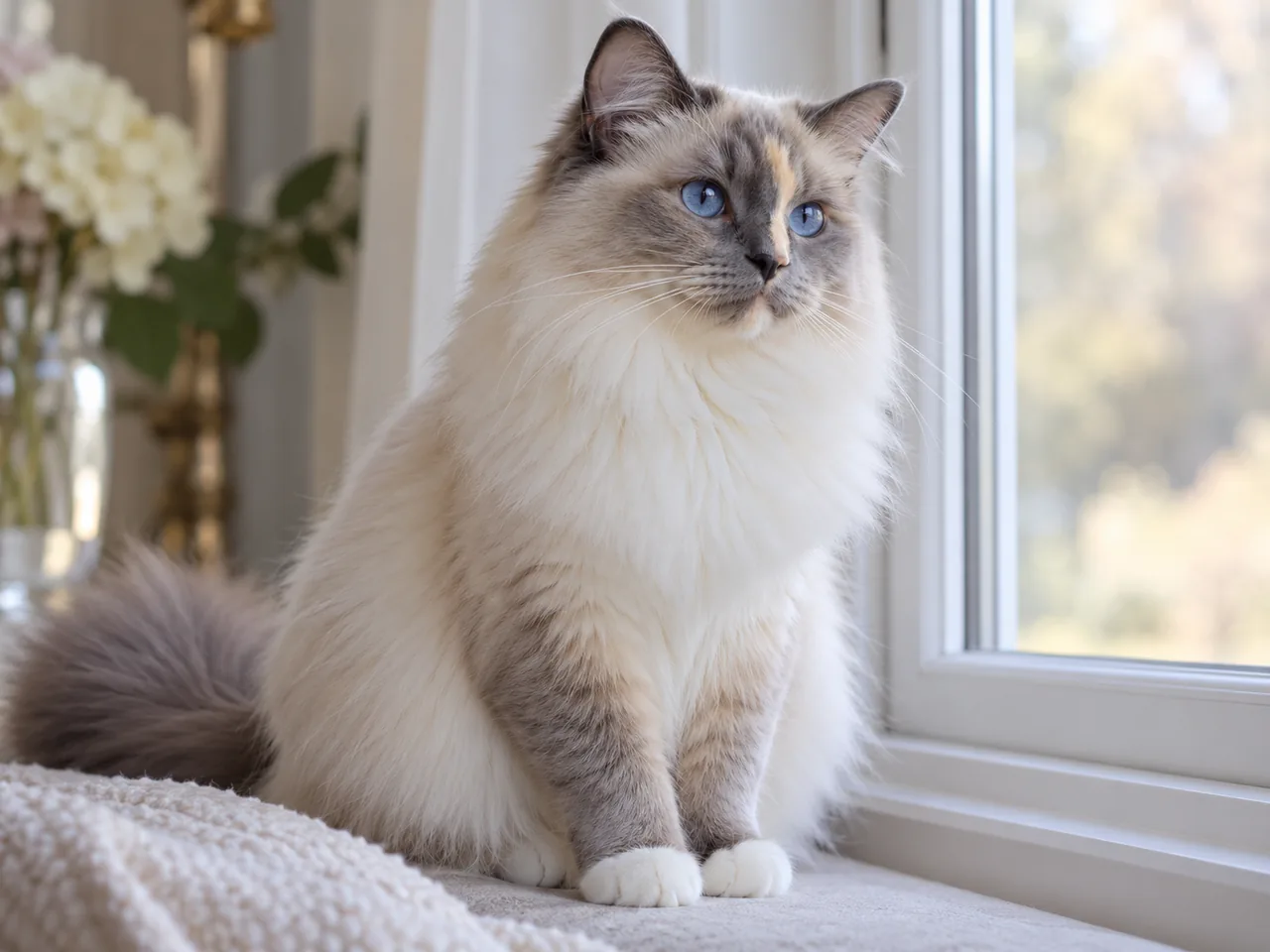
Preserve the breed type – not a fad
A breed with around a century of documented breeding and exhibition history deserves respect for its special identity. We want to preserve the breed's basic type and oppose a development towards increasingly extreme ideals. Health, function and animal welfare are part of the responsibility to preserve the breed.
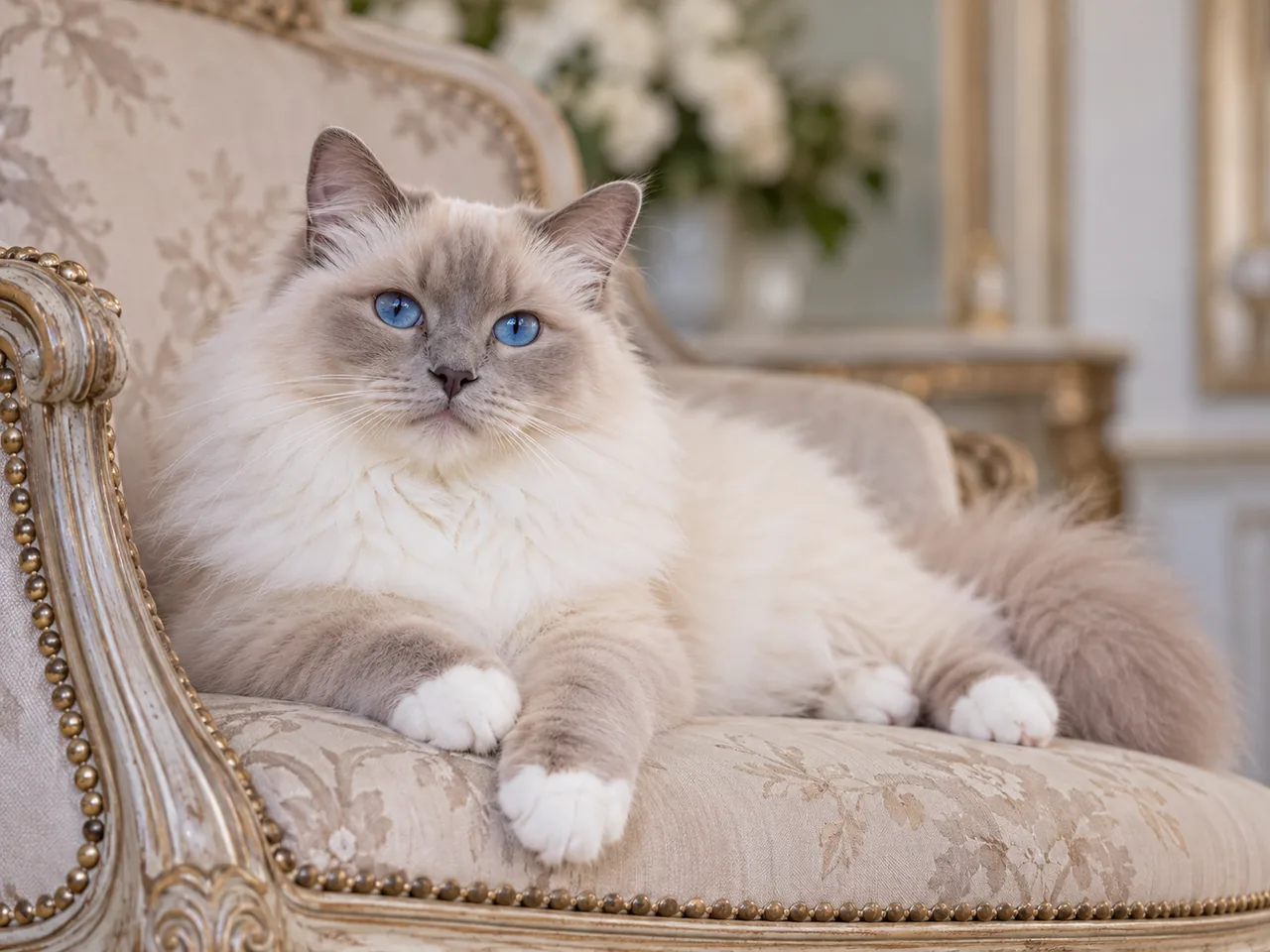
Det er Birmakredsen editorial position – not a quote from Hanne-Sofie Sneum and not a claim that all formulations in the standard have remained unchanged for 100 years. The standard has actually received clarifications and changes over time.
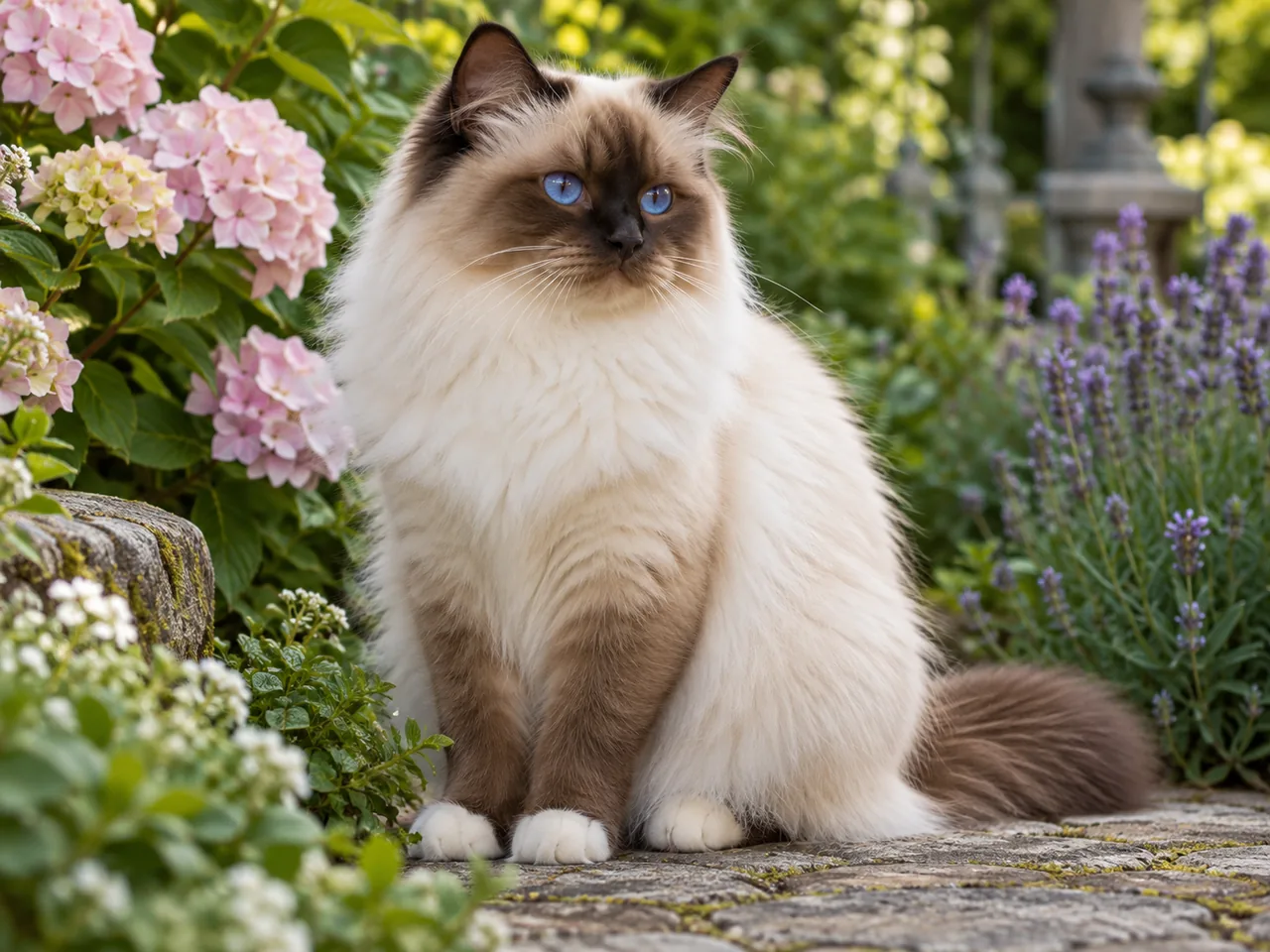
What Hanne-Sofie wanted us to see
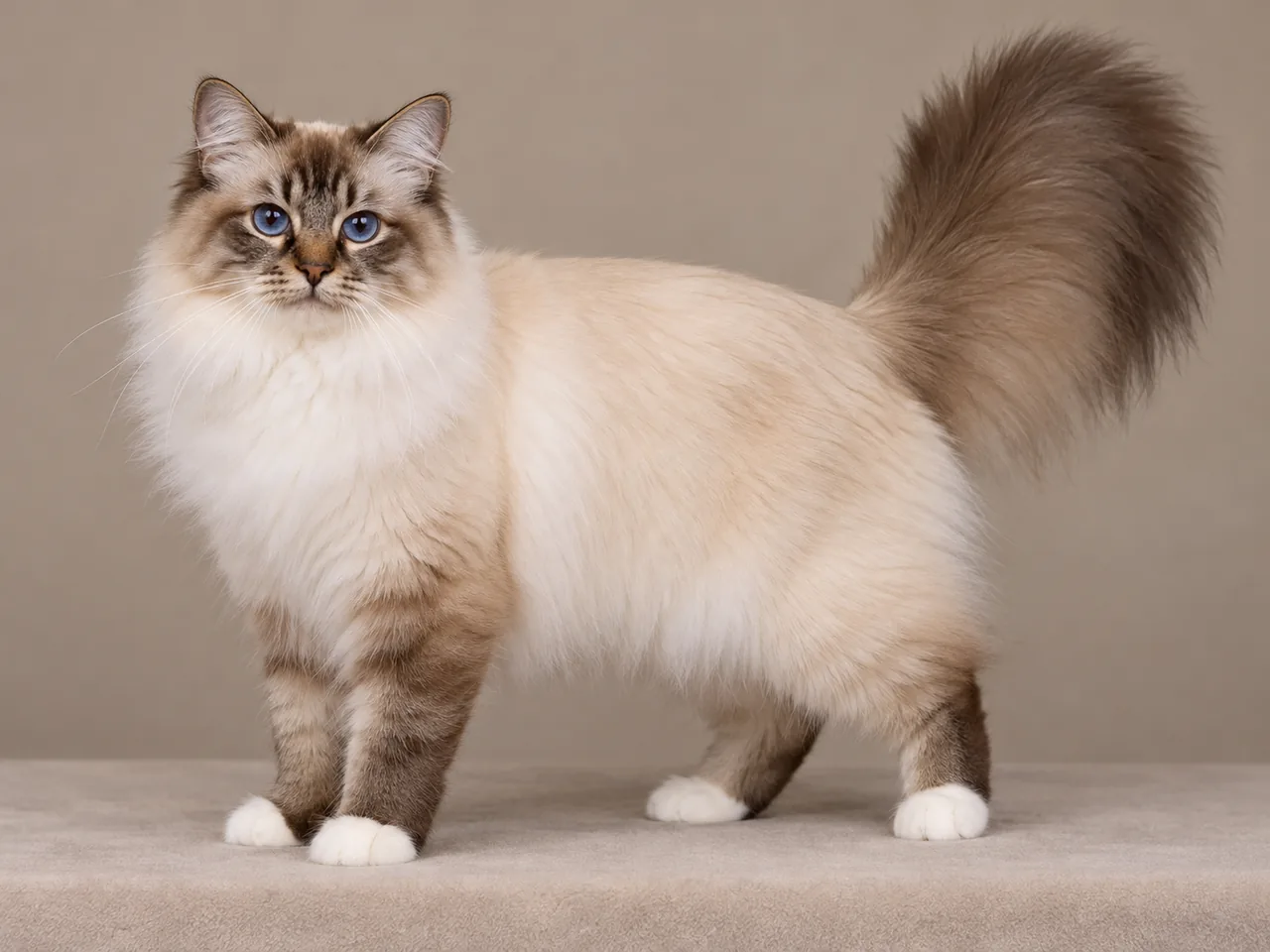
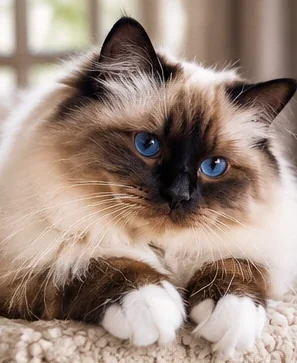
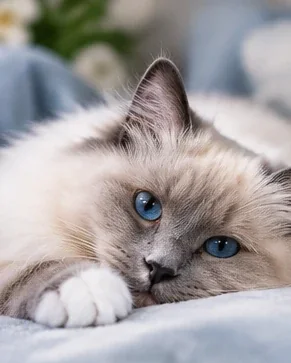
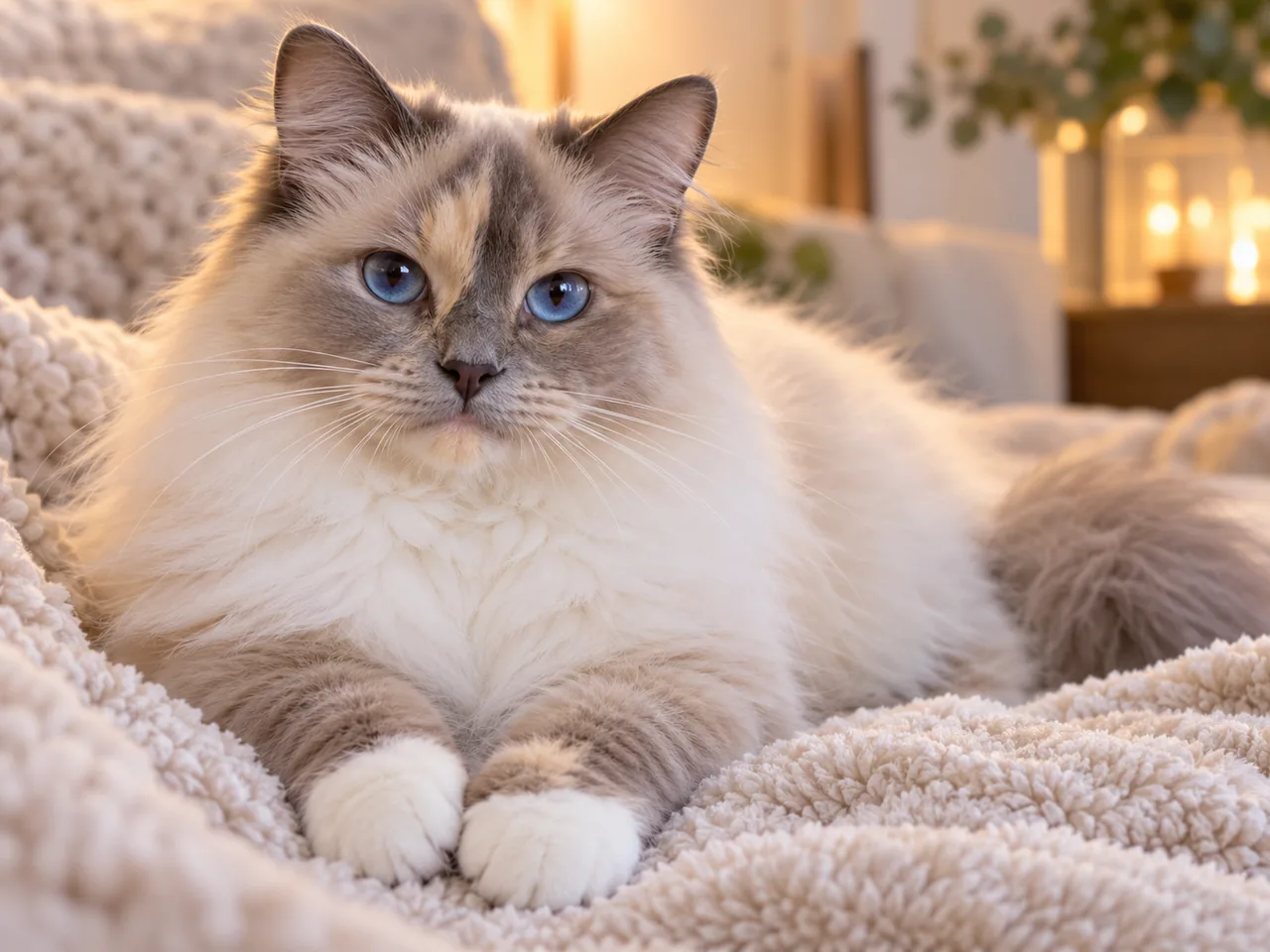
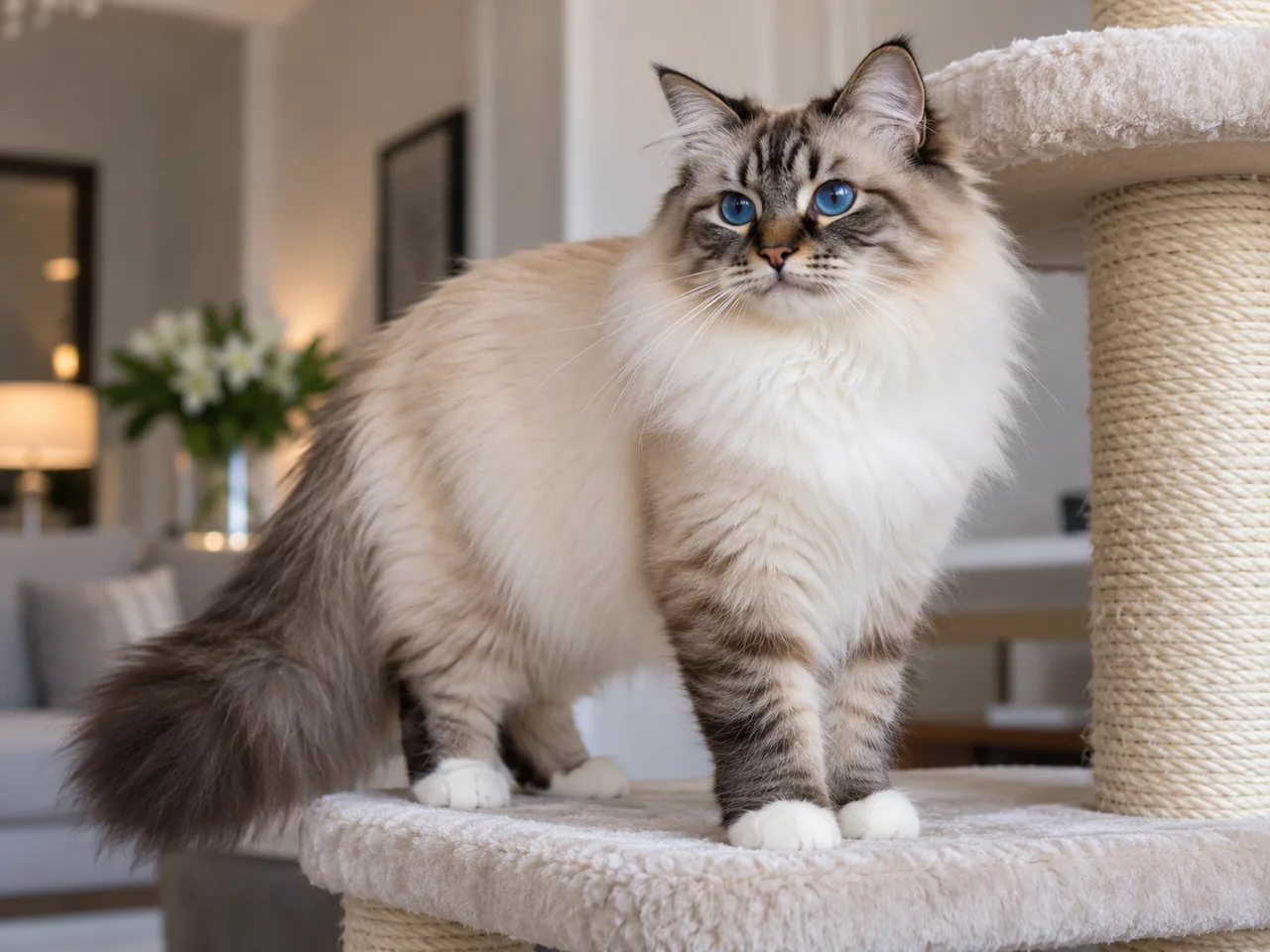
Hanne-Sofie talked about a cat that should not be too thin, too short-nosed or too heavily furred. It is a professional discussion that is still worth taking seriously.
What the FIFe standard actually says in 2026
The current FIFe standard still describes the Birman as medium-sized, with a slightly elongated body, strong short legs, a firm chin, a medium-length nose without a stop, and a silky, long to semi-long coat with only a small undercoat. It also highlights the breed's unique morphology.
This means that many of Hanne-Sofie's fundamental considerations are still relevant. But her wishes for changed wording do not automatically become the applicable standard. For example, she wanted legs described as medium-high, while FIFe continues to write short and strong legs. Her assessment of a Roman nose must not replace the official description of a medium-long nose without a stop, but with a slight indentation.
FIFe's assessment is still based on 100 points: 20 for head, 5 for eyes, 20 for body, 10 for tail, 20 for coat and color, 20 for gloves and wedges and 5 for condition. This supports the fact that the whole Birman should be assessed.
It has changed since Hanne-Sofie's text.
The following comparison is a editorial update from the Birmakredsen – not changes made by Hanne-Sofie Sneum in her original article.
| Emne | In the historical text | Current FIFe conditions (2026) |
|---|---|---|
| Spots on chest and abdomen | Described under the breed's faults. | The separate error determination was removed from January 1, 2024. |
| White spot in the genital area | Appears as an error that excludes the certificate. | The separate certificate suspension was removed from January 1, 2024. |
| Body base color | Explained with particular golden/beige shades and light undertones. | The current SBI standard refers instead to the body color to the FIFe general section on Siamese pointed cats. |
| Legs, ears and profile | Hanne-Sofie suggests adjustments to the wording. | FIFe still describes legs as short and strong; ears as rather small and with rounded tips; nose as medium length without stop, with a slight indentation. |
| Recognized color variants | The text reflects an earlier time in the breed's development. | The FIFe official SBI document from 2026 also includes smoke and silver tabby variants. The Danish registration and breeding practices must be assessed separately. |
Sources: FIFe, Summary of changes as of 01.01.2024 og Sacred Birman (SBI), effective 01.01.2026. A removed special rule does not mean that any marking is permitted; other rules, including faults with white in the colored areas, may still be relevant.
A small but important genetic addition
Hanne-Sofie also discussed the inheritance of the white gloves. Research has since made the understanding more precise: the typical white gloves of the Burmese are linked to a variant in KIT-gene, which is inherited in an autosomal recessive manner. This is not quite the same as simply describing the markings as ordinary bicolour.
We therefore do not change her historical argument retrospectively, but draw the reader's attention to the more recent knowledge. Genetics can explain the inheritance pattern; it does not change the importance of wholeness, structure and health in breeding work.
We owe it to the breed to see the whole cat
Hanne-Sofie Sneum's text is worth rereading precisely because it insists that the Holy Birman has its own type. A breed does not necessarily disappear overnight. It can also gradually lose its distinctiveness if breeding and judging reward characteristics that pull it away from what it is.
Therefore, it is important that we both read the history of the breed, use the current standard correctly, and dare to discuss what actually promotes the health, function, and characteristic expression of the Birman.
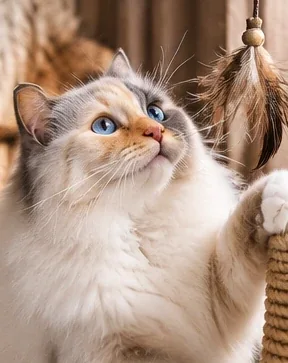
The final message of the Birmakredsen – not a quote from Hanne-Sofie Sneum.
Author, source and editorial information
Original author: Hanne-Sofie Sneum, FIFe all-round judge. Original title: Standard of the Sacred Birman according to the FIFe. The text here: The Birmakredsen's independent, Danish professional processing and later editorial updates, checked October 20, 2026. Hanne-Sofie has not written or approved later additions.
The original article is based on permission for use, provided by the Birmakredsen. The original should be read in its entirety, with the context of its time preserved.
- Hanne-Sofie Sneum: Standard of the Sacred Birman according to the FIFe
- FIFe: Sacred Birman (SBI), standard 01.01.2026
- FIFe: Summary of changes per 01.01.2024
- UC Davis, Veterinary Genetics Laboratory: Gloves (Birman – White Feet)
The Birmakredsen is an independent community. This editorial page is not an official FIFe interpretation.