
Care instructions for the Sacred Birman
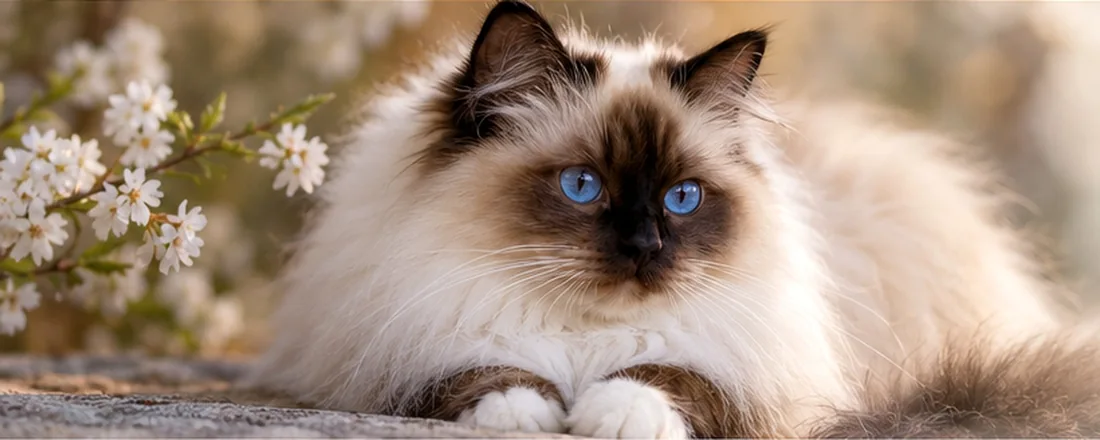
From the breeder's safe home to a lifetime in your family
Welcome to life with a Sacred Birman. This guide will help you with everything that makes everyday life safe: food, water, toilet habits, the silky soft coat, health, play, company and safety. Use it both on the day of your return and for many years to come.
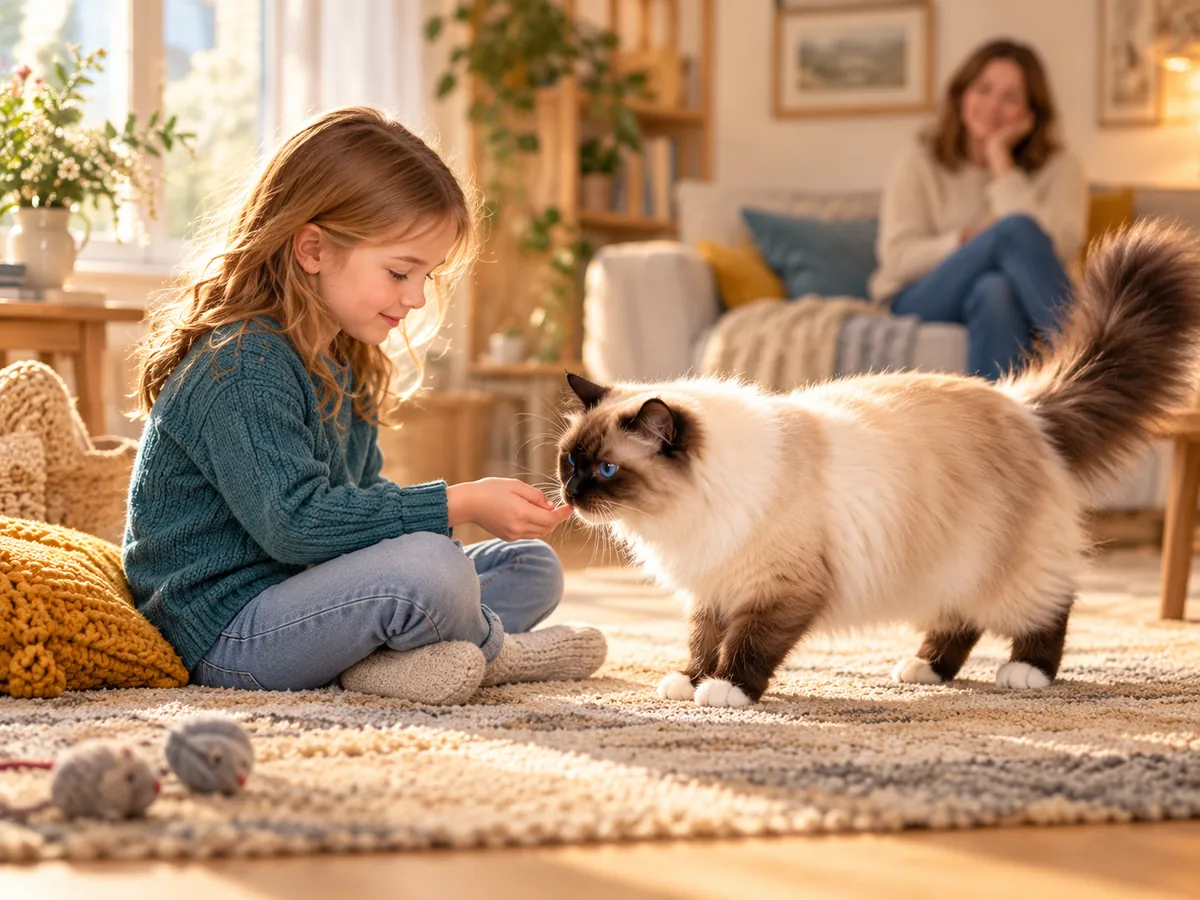
Welcome home, little Birman
A Sacred Birman is often a trusting, curious and people-loving cat. But even the bravest kitten can feel overwhelmed by a new home. Let the cat set the pace.
If a cat already lives there
Start with separate areas and exchange scents via blankets. Gradually make meetings short and positive. Patience is more important than quick reuniting; some cats need several weeks. Provide multiple sets of resources in different rooms.
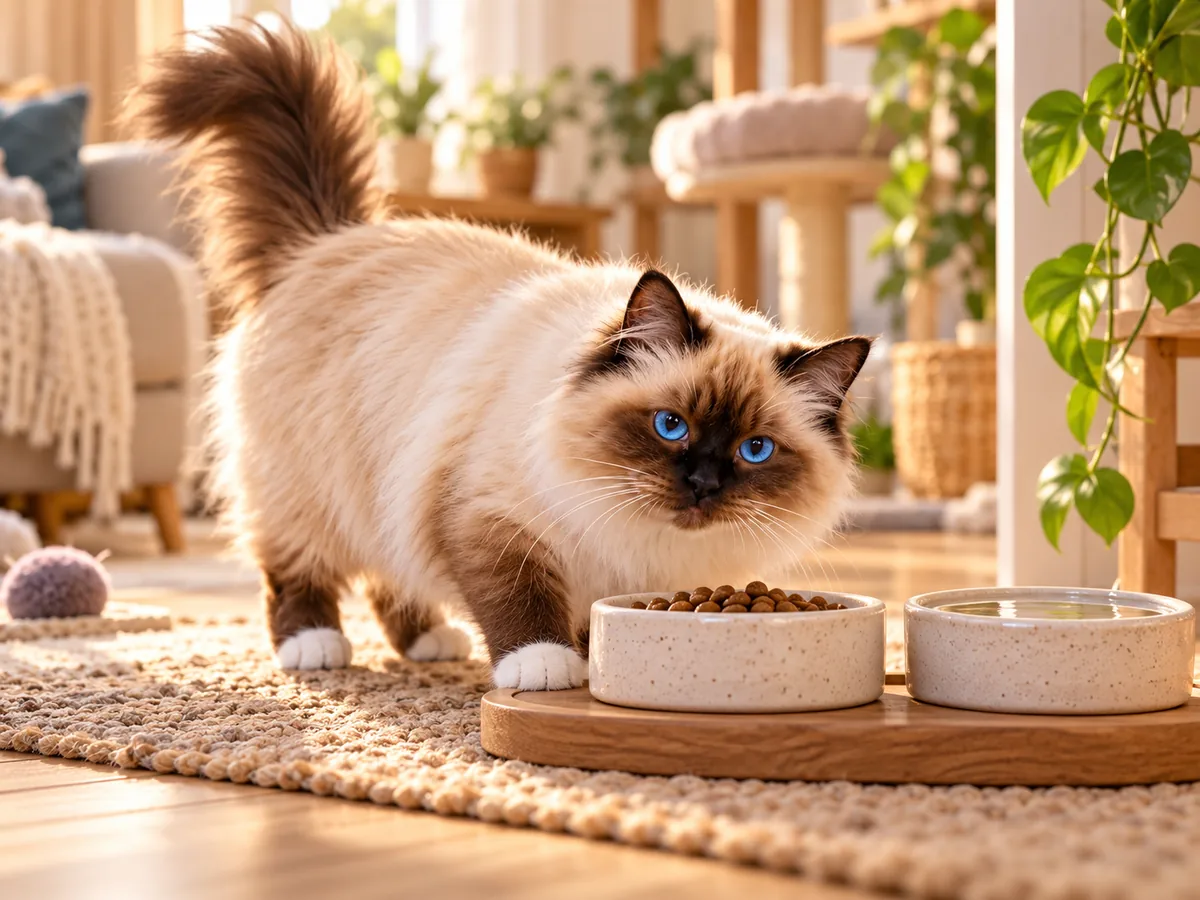
Food, water and a healthy weight
Start with the familiar
Continue the first few weeks with the food and meals the kitten is familiar with from the breeder. If you wish to change, mix gradually over typically 7–10 days, and proceed more slowly if the kitten has a sensitive stomach. Contact your veterinarian if diarrhea, vomiting or lack of appetite persists.
Choose a nutritionally complete food for your cat's age and life stage. Kittens have different needs than adult and senior cats. Feed appropriate portions; neither free treats nor a breed designation on the bag replaces an individual plan.
Water is just as important as food
Fresh water should always be available, preferably in several bowls placed away from the tray and preferably not close to the food. Many cats prefer wide bowls or a drinking fountain. Wet food can help with fluid intake.
Weigh your cat regularly and learn to feel the ribs and assess condition. The semi-longhaired Birman may look slim and yet gain weight. Talk to your vet about ideal weight and food adjustments after neutering.
Practical everyday life
| Rutine | You do. |
|---|---|
| Every day | Fresh water, appropriate complete food, clean bowls and a short appetite/wellbeing check. |
| Every week | Assess weight or body mass, especially in growing kittens and with changes in activity level. |
| When changing feed | Proceed gradually and monitor bowel movements, appetite and energy levels. |
The cat litter box – an important part of well-being
Ask the breeder what kind of litter and type of litter box the kitten is used to. Start right away at home. The litter box should be quiet, easy to get to, and can be used without the cat feeling trapped.
- Use spacious litter boxes. Many cats prefer a litter box without a lid and with unscented litter.
- Remove clumps and feces at least daily. Clean the entire tray as needed without strong perfumes.
- A good rule of thumb is one tray per cat plus one extra, distributed in different locations.
- Never scold for accidents. Instead, look at the hill, gravel, location, stress and health.
The silky fur, claws and teeth
The Birman is a semi-longhaired breed with a coat that tends to shed less than many other longhaired breeds, but it still requires regular and loving care – especially during shedding.

Gentle brushing
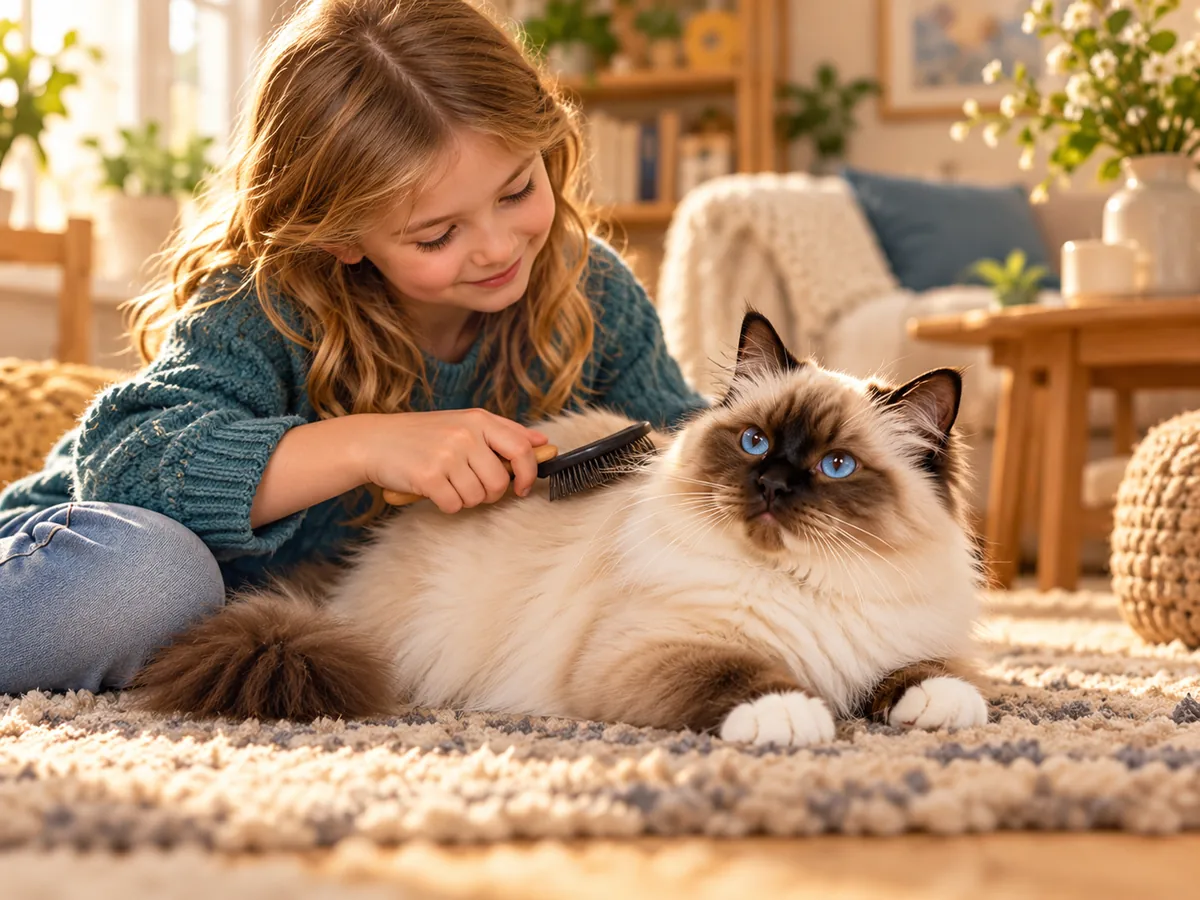
Go through the fur with a soft brush or suitable metal comb as often as 1–3 times a week, depending on the cat. Check especially behind the ears, armpits, chest and rear. Work slowly and carefully, and never hold down too hard to get a felt out.
Bathing is not usually necessary in normal grooming. In the event of excessive matting, skin problems or unusual shedding: seek advice from a veterinarian or experienced cat groomer.
Paws, claws and ears
Check paws and pads regularly. The Birman's white gloves and wedges do not require special cosmetic products. Provide good scratching opportunities and learn to trim only the transparent tip of the claw if necessary.
Ears do not usually need to be cleaned routinely. Redness, bad odor, head shaking, or dark discharge require investigation.
Teeth and mouth
Get your cat used to having its lips lifted and its teeth brushed early on. Daily brushing with cat-friendly toothpaste is a good goal. Human toothpaste should not be used. Bad breath, redness, drooling, chewing problems or changes in appetite may be signs of pain and should be evaluated by your veterinarian.
Play, activity, rest and company
Many Burmese seek close contact with their people, but their needs and personalities vary. They need both stimulating activities and the opportunity to be alone.
The good decor
- Stable scratching trees and high viewing areas.
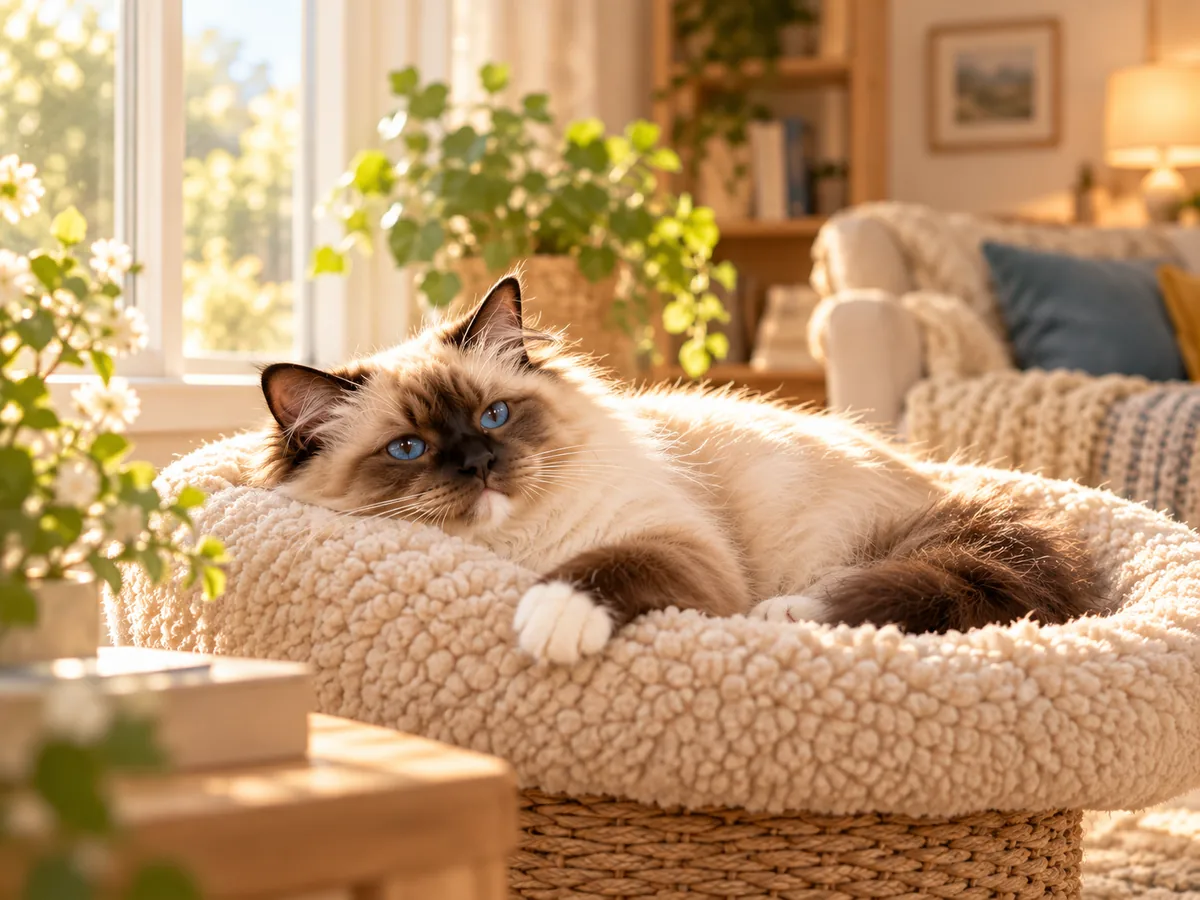
- Hiding places, soft sleeping places and safe window views.
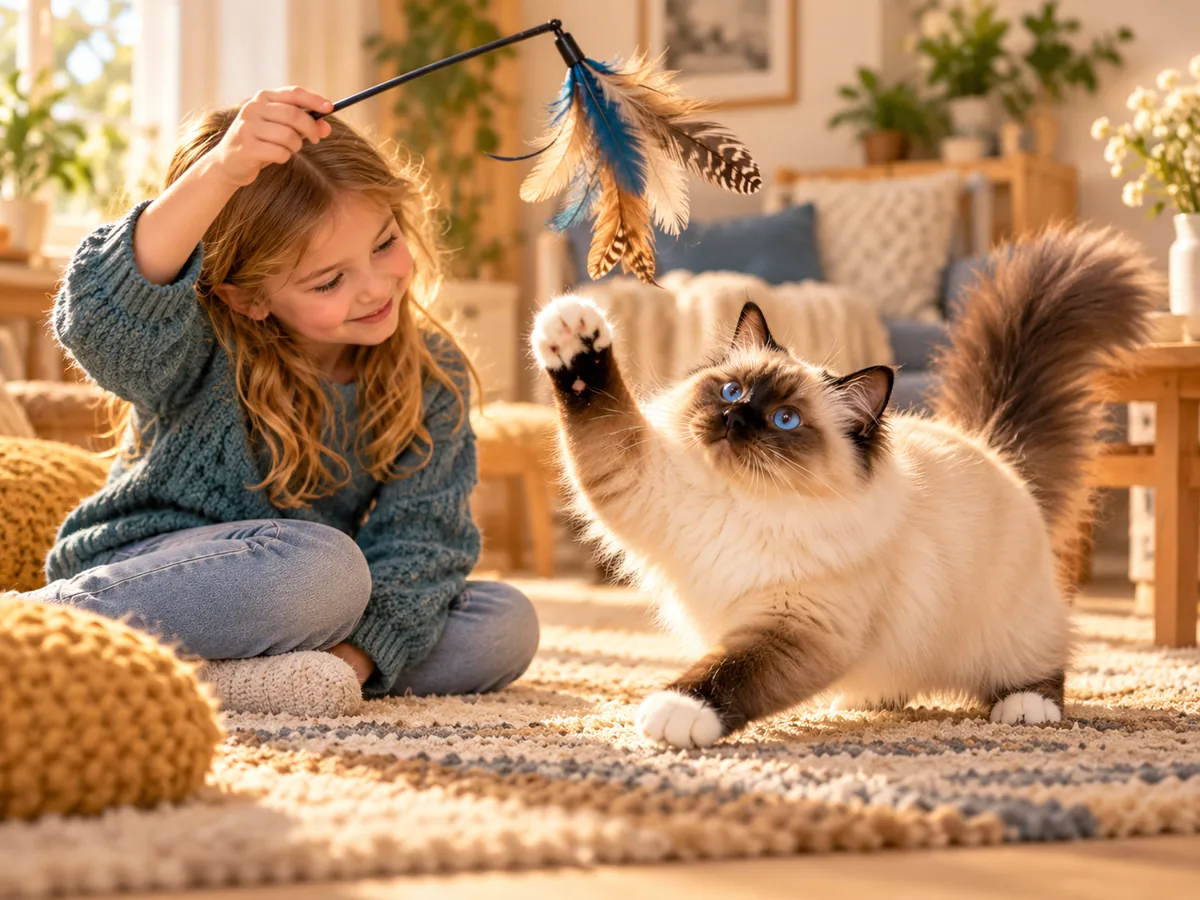
- Daily hunting games with toys that you control – let the cat catch the “prey”.
- Feeding activation and variation in play, without overstimulating.
Safe relationships
- Respect your cat's body language; a wagging tail can indicate irritation.
- Let the cat choose contact. A lap is not an obligation.
- If you have multiple cats: provide separate eating, drinking, resting and toilet facilities.
- Plan qualified care and supervision when the family is away.
Husk: Sacred Birmans are typically social, but not all Birmans want a feline companion. Always consider the well-being of the individual cat rather than basing your decision on the breed alone.
Health, prevention and danger signals
Book a health check with the vet who will be taking care of your cat. Together, create a plan for vaccinations, parasite prevention as needed, oral cavity checks, weight and age-appropriate examinations. Save the cat's microchip number, documents and information about any previous treatments.
Contact a veterinarian immediately if:
- Difficulty breathing, collapse or very severe pain.
- Attempt to urinate without urine.
- Repeated vomiting, suspicion of poison or foreign body.
- A kitten that does not want to eat and at the same time seems lethargic or affected.
- Sudden paralysis, seizures, or severe trauma.

Be aware of changes
- Appetite, desire to drink, weight and stool.
- Hides more than usual or changes temperament.
- Cough, shortness of breath, lameness or changed activity.
- Bad breath, drooling, difficulty chewing or pain.
- Changed toilet habits – even with small changes.
Special information about the health of the Burmese
The Sacred Birman is not immune to disease. Hereditary conditions, including heart disease, can occur. Know the cat's family history and ask the breeder for relevant test and examination results. No single test result is a guarantee of a lifetime free of disease.
A safe home and exciting outdoor life
The Birmakredsen recommends that the Sacred Birman not be allowed to roam freely. The cat can have a rich everyday life indoors and enjoy the outdoors in a cat-proofed garden, an aviary or on a properly secured balconyHarness training can work for some cats, but it must be done voluntarily and gradually.
Indoor security
- Keep lilies away completely – even the pollen and vase water are toxic to cats.
- Secure windows, tilt-and-turn windows, balconies and loose wires.
- Store away medicines, cleaning products, thread, rubber bands and small parts.
- Check the washing machine and dryer before you close them.
- Never use dog flea medication on a cat without the veterinarian's clear instructions.
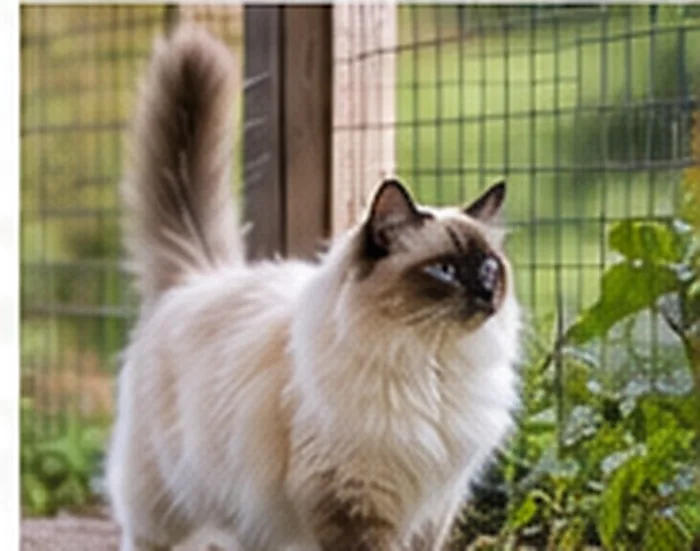
Outdoor life with security
- Ensure fences/nets are free of cracks and escape routes.
- Provide shade, shelter, water, and access to a safe resting place.
- Avoid toxic plants and chemicals in your cat's area.
- Check the fuse regularly, also after storms and gardening.
- Always use a secure transport box in the car – never leave the cat loose.
Travel and care
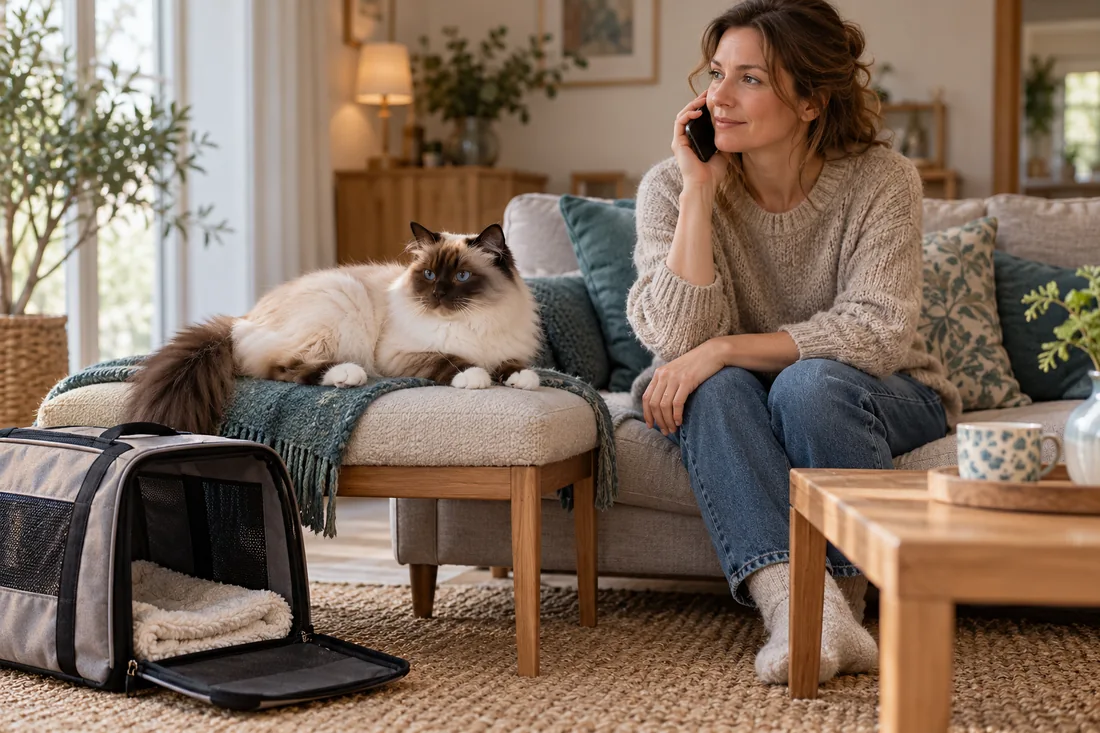
Most cats thrive best in familiar surroundings. Arrange for competent care in your home whenever possible. When traveling: research regulations regarding ID, vaccination, pet passports and any special entry requirements well in advance. Get your cat to know the carrier well in advance before it is used.
Your simple grooming routine
The fields are only for on-screen assistance; they are not stored by the Birmakredsen.
My personal passport card
The general instructions are a supplement. The breeder should always provide the family with information about this particular kitten's food, routines, care, health and special needs. Fill out the card together and save or print it for private use.
This map is not saved on the website and will not be sent to the Birmakredsen. Save a PDF locally before closing the page if you want to preserve the information entered.
This is what new Burmese families ask about
How often should a Sacred Birman be brushed?
It depends on the coat and the season. Many can do with a thorough, gentle check 1–3 times a week. Check more often during shedding and where the coat tangles easily.
Can a Sacred Birman be an indoor cat?
Yes. A well-designed home with hunting games, viewing areas, scratching opportunities and human contact can provide a rich cat life. Secure outdoor life is a wonderful option.
When should I contact the breeder?
We welcome questions about food, habits, behavior and well-being. If there are signs of illness or acute injury, you should contact the veterinarian first and then inform the breeder.
Should a Birman have a cat friend?
Not necessarily. Many enjoy feline company, while others thrive best alone. Introduction, temperament, resources, and space are crucial.
Knowledge and responsibility
The care instructions are general information for families with Sacred Birmans. Specific questions about illness, feeding for special conditions or medication should always be clarified with the veterinarian.