

A calm birthing environment, a plan agreed with your veterinarian and careful observations matter more than trying to control a normal birth.

Before mating and during pregnancy
Discuss the female cat’s health, age, wellbeing and relevant screening with your vet. Monitor weight, appetite and general condition. Avoid medication and supplements without professional advice.
Read also responsible breeding and pedigrees and breeding plans.

Prepare the birthing area
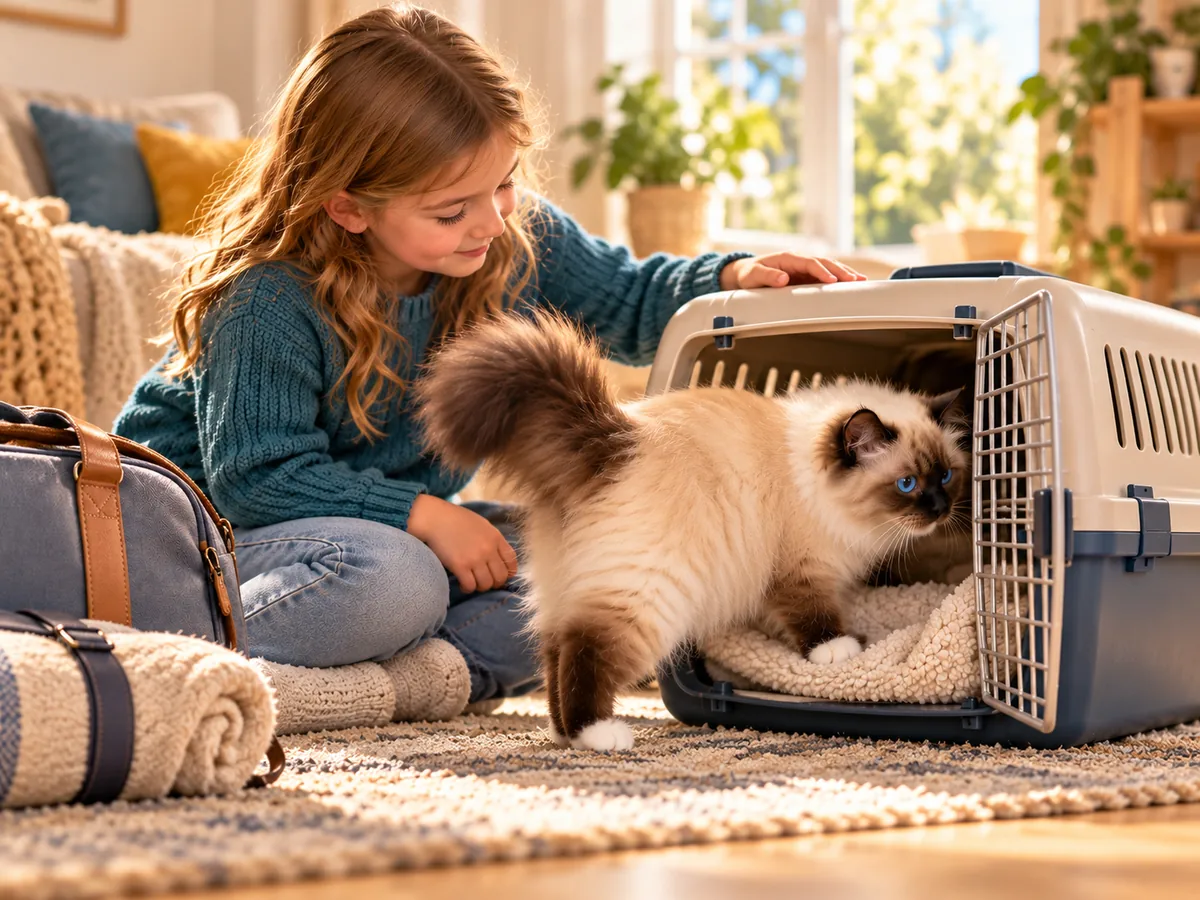
Set up a clean, warm, quiet and draught-free place that the mother already knows. Keep your regular and emergency vet’s phone numbers, clean towels, scales, notes and a carrier ready. Agree in advance when to call.
During the birth
Observe from a distance if the mother is comfortable and labour is progressing normally. Record the time, each kitten’s birth weight and whether it suckles. Avoid unnecessary intervention. Births vary, so a single time interval cannot, on its own, determine whether something is wrong.
Contact a veterinarian promptly if warning signs appear
Seek immediate veterinary help for strong contractions without progress, obvious pain, collapse, heavy bleeding, foul-smelling discharge, a stuck kitten or a mother that appears seriously unwell. Greenish discharge before the first kitten also requires urgent assessment. Do not wait for a fixed time limit if you are concerned.

After the birth
Check that every kitten can suckle, monitor warmth, wellbeing and weight gain, and observe the mother’s appetite and behaviour. Contact your vet if a kitten is not gaining weight, appears lethargic, has breathing difficulties or cannot suckle.